Vastu plants for home are plants that Vastu Shastra tradition links with good energy, and the ones most often suggested are tulsi, money plant, jade plant, snake plant, lucky bamboo, peace lily, areca palm and rubber plant. In most families, the choice of plants comes down to two things: what elders say is shubh and what actually survives in the flat. This guide puts both side by side, so you can pick a plant that fits the belief and also has enough light to stay green.
Quick answer: If you follow Vastu, keep tulsi in a sunny north, east or north-east spot (a balcony or courtyard), money plant and jade in the south-east or near the entrance, and snake plant, lucky bamboo or peace lily in bright indoor rooms. Avoid dried, dead or thorny plants indoors. Above all, pick plants that suit the light in that corner.
A quick note on how we write about Vastu: these directions are cultural and religious beliefs, not scientific findings. We present what is commonly followed in Indian homes and then add the plant-care facts, which are backed by horticulture sources listed at the end.
Vastu plants for home at a glance
| Plant | Direction commonly suggested in Vastu | Best room or spot | Light it really needs | Safe for cats and dogs? |
|---|---|---|---|---|
| Tulsi (holy basil) | North, east or north-east | Balcony, terrace, courtyard | Several hours of direct sun | Not checked; keep pets from chewing it |
| Money plant (pothos) | South-east | Living room, entrance, shelf | Bright indirect light | No, toxic |
| Jade plant | South-east or near the entrance | Sunny window, balcony | Bright light with some direct sun | No, toxic |
| Snake plant | South, west or corners | Bedroom, living room | Low to bright indirect light | No, toxic |
| Lucky bamboo | East or south-east | Desk, living room table | Bright indirect light, no harsh sun | No, toxic |
| Peace lily | North or east | Living room, bedroom | Medium to bright indirect light | No, toxic |
| Areca palm | North or east | Living room corner near a window | Bright indirect light | Yes, non-toxic (ASPCA) |
| Rubber plant | South-east | Living room near a window | Bright indirect light | Keep away from pets as a precaution |
Different Vastu consultants sometimes give slightly different directions for the same plant. If your family follows a particular pandit or book, go with that. The light column is the part we would not compromise on.
Which plants are good for home according to Vastu?
Here are the eight plants that come up again and again in Indian homes, with what the belief says and what the plant needs to actually thrive.
1. Tulsi: the most important Vastu plant for most families
For many Hindu households, tulsi is not just a plant but part of daily puja. Tradition places it in the north, east or north-east, often in a raised tulsi vrindavan in the courtyard or on the balcony. It is also the plant people most often ask about: “where to keep tulsi plant at home according to Vastu” is searched every month in India.
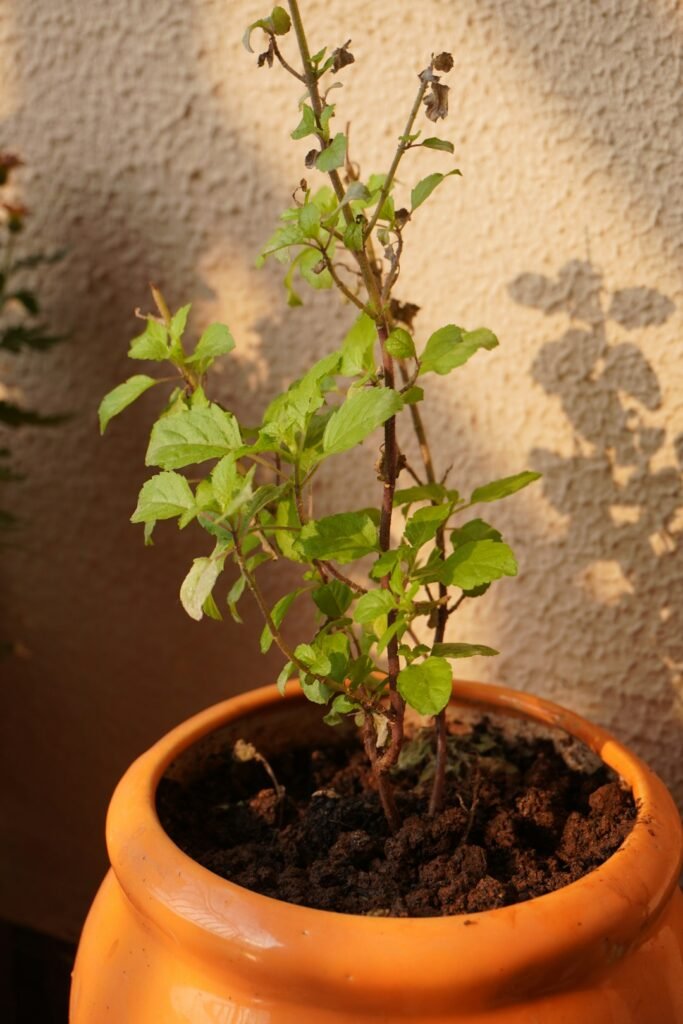
The care side lines up well with the tradition. TNAU Agritech describes tulsi as a hardy crop of tropical and sub-tropical climates that does best with long, warm days and grows in most soils except saline, alkaline or waterlogged ones. In a pot, that means:
- Sun: at least 4 to 6 hours of direct sun. Tulsi kept inside a dim puja room usually becomes leggy and drops leaves.
- Soil: a loose, well-draining mix with compost; never let the pot sit in water.
- Pinching: nip off flower spikes (manjari) regularly if you want more leaves and a bushier plant.
- Winter in North India: move the pot close to a warm wall or cover it on very cold nights, because frost can kill it.
TNAU lists two common types, green Sri tulsi and purple Krishna tulsi. Both are grown the same way.
2. Money plant
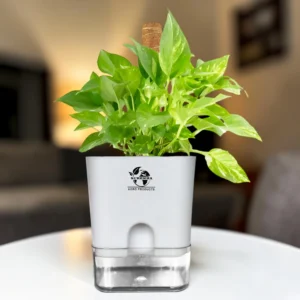
The money plant (golden pothos) is linked with wealth and prosperity in popular Vastu advice, and the south-east is the direction most often suggested. Many people also keep it near the entrance or in the living room. A common belief says it should not face north-east and should not be allowed to trail on the floor, so it is usually grown up a moss stick or allowed to hang from a shelf.
Care reality: money plant takes bright indirect light and is one of the easiest plants to keep, in soil or in a bottle of water. Our money plant benefits guide covers the beliefs in more detail, and the money plant care guide covers watering and yellow leaves.
3. Jade plant
The round, coin-like leaves are why jade is called a “lucky” or “money tree” plant. Vastu and Feng Shui advice usually places it in the south-east or near the main door. The belief also says it should not go in a bathroom or a dark corner.
Care reality: jade is a succulent that stores water in its leaves, stems and roots, and the University of Wisconsin–Madison Extension notes that its leaves should be tinged with red when it gets enough light. That means a sunny window or balcony, not a dark shelf. Water only after the soil has dried. See jade plant benefits and Vastu beliefs for where people place it.
4. Snake plant
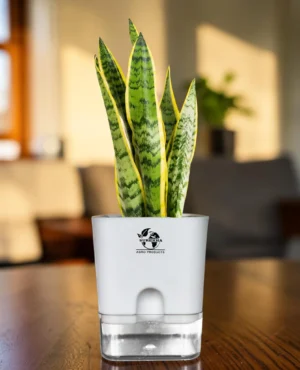
Some Vastu advice treats the snake plant as protective because of its upright, sword-shaped leaves, and suggests the south, west or a room corner. Others avoid it because of the “sharp leaf” idea. If your family has no objection, it is one of the most forgiving indoor plants, tolerating low light and irregular watering. Read our snake plant benefits article for what it can and cannot do.

5. Lucky bamboo
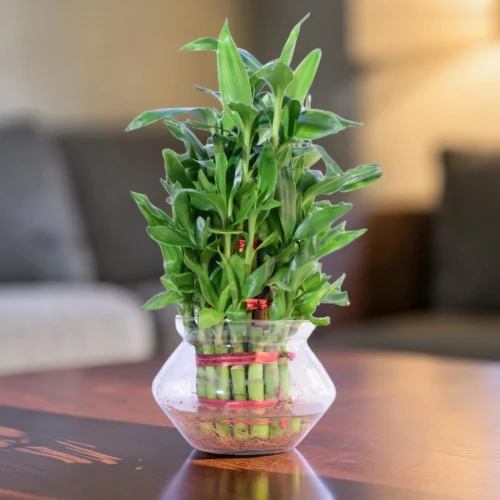
Lucky bamboo is not a true bamboo; it is Dracaena sanderiana. It comes from Feng Shui more than classical Vastu, but in India it is widely sold as a Vastu plant for the east or south-east, and the number of stalks or layers is given meaning (three layers are a popular gift). NC State Extension says it wants bright but indirect light indoors and can be grown in chlorine-free water, with the water changed weekly to prevent mosquitoes breeding. That weekly change matters in Indian homes during dengue season.
For yellowing stalks and water problems, see our lucky bamboo care guide.
6. Peace lily
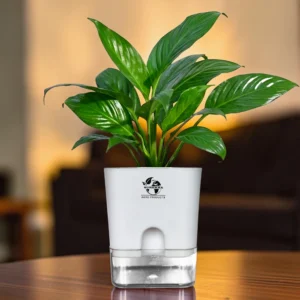
The white flower is linked with calm and harmony, so Vastu advice often puts the peace lily in the living room or bedroom, in the north or east. It handles medium light well and droops visibly when thirsty, which makes it easy to read. If yours has stopped blooming, light is usually the reason; our peace lily care guide explains how to fix it.
7. Areca palm
Areca palm is often recommended for the north or east side of a living room to bring in “fresh” energy. It is also the only plant on this list that the ASPCA lists as non-toxic to dogs and cats, which makes it a good pick for pet homes. It needs bright indirect light and does not like waterlogged soil.
8. Rubber plant
Its broad, glossy leaves are linked with abundance in Vastu tips, and the south-east is the usual direction. People often search “where to keep rubber plant as per Vastu” because it is a large plant that needs floor space. Give it a spot near a bright window; in a dark corner it stretches and drops lower leaves. Our rubber plant care guide has the details.
Vastu plants for each room and direction
If you prefer to plan by room, here is how the common beliefs map to a typical Indian flat, with the light check that decides whether the plant will survive there.
- Entrance: money plant, jade or a pair of snake plants are the usual choices. Only keep plants at the main door if it gets daylight. Our plants for home entrance guide compares nine options.
- Living room: areca palm, rubber plant, peace lily or money plant, placed in the north, east or south-east, near the brightest window.
- Bedroom: snake plant and peace lily are common picks. Keep big plants away from the bed if anyone in the family has allergies.
- Pooja room: tulsi is traditional, but most pooja rooms are too dark. Many families keep the tulsi outside on the balcony and bring a few leaves in for puja.
- Balcony (north or east): tulsi, jade and flowering plants. This is usually the sunniest spot in a flat.
- Kitchen window: tulsi, mint or other herbs if the window gets sun.
- Study or work desk: lucky bamboo or a small money plant, in the east or north part of the desk according to the belief.
Plants not to keep at home as per Vastu
Popular Vastu advice also lists plants to avoid indoors. Again, these are beliefs, not botany. Follow them if they matter to your family:
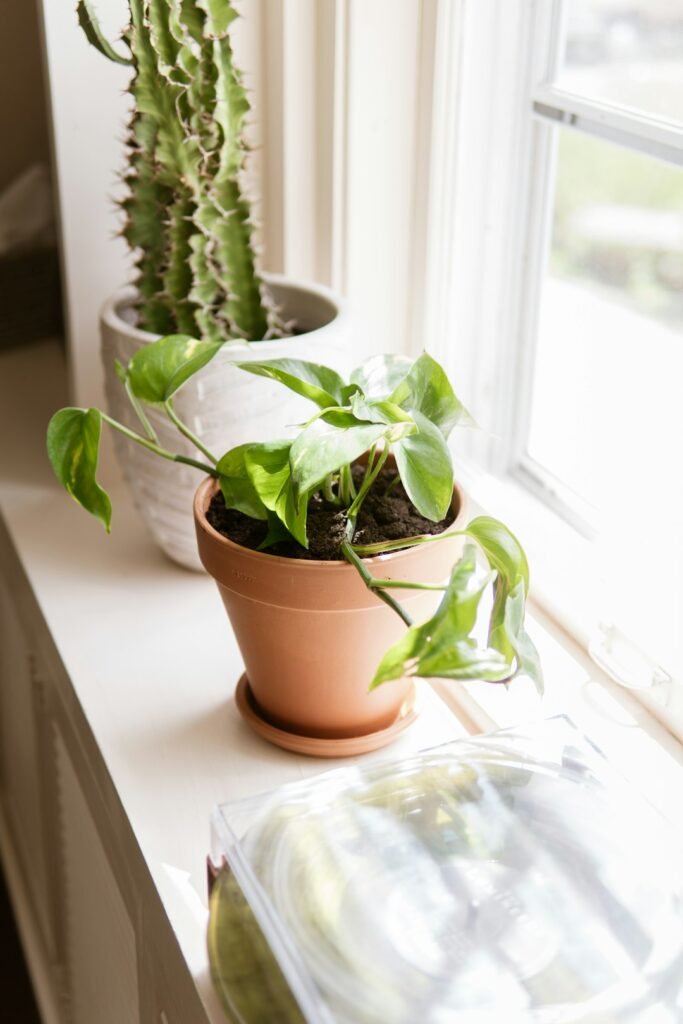
- Thorny plants and cacti indoors: believed to bring friction. Many people keep cacti on the terrace or outer balcony instead.
- Dried, dying or dead plants: seen as stagnant energy. This one also makes practical sense, because dead plants attract pests and fungus gnats.
- Bonsai: some believe a “stunted” tree means stunted growth, so it is kept outside or avoided.
- Plants with milky sap: some advice avoids them indoors. Ironically, the rubber plant has milky sap and is still sold as a Vastu plant, which shows how much the advice varies.
- Large trees close to the house: traditional advice keeps peepal and banyan away from the building. Their roots can also damage walls and drains, which is a real reason to follow this one.
How to choose Vastu plants that actually survive
A Vastu plant that dies in three weeks does not help anyone. Use these steps before you buy:
- Check the light first. Stand in the spot at noon. If you can read a newspaper comfortably without a lamp, most indoor plants on this list will cope. If it is dim, choose snake plant or money plant.
- Then check the direction. Use your phone compass. If the “right” direction is dark, use the nearest bright spot in that zone, such as a window ledge.
- Match the plant to your routine. Travel often? Jade and snake plant forgive missed watering. Home daily? Peace lily and tulsi are fine.
- Use pots with drainage or a self-watering reservoir. Overwatering kills more indoor plants in India than anything else, especially in the monsoon.
- Keep the plant healthy. Wipe dusty leaves, remove yellow ones and turn the pot every couple of weeks so it grows evenly. A healthy plant is also the one that looks “shubh”.
Do Vastu plants purify air or bring luck?
Many Vastu plant lists also claim these plants purify the air or release oxygen all night. The 1989 NASA study did show some plants removing chemicals in small sealed chambers, but a 2019 review by Cummings and Waring calculated that a normal room would need between 10 and 1,000 plants per square metre to match what ordinary ventilation already does. So enjoy plants for their greenery, calm and tradition, and open a window for fresh air. We cover this honestly in which plant gives more oxygen.
Luck is a matter of belief. What we can say is that caring for a plant every day is a pleasant habit, and a green, healthy plant makes a room feel better.
Pet safety: check before you buy
According to the ASPCA, money plant (golden pothos), jade plant, snake plant (mother-in-law’s tongue), peace lily and Dracaena species, which include lucky bamboo, are toxic to cats and dogs if chewed. Signs include vomiting and drooling. Areca palm is listed as non-toxic. If you have pets, keep the toxic plants on high shelves or hanging, and call your vet if a pet chews one.
Frequently asked questions
Which plant is best for home as per Vastu?
Tulsi is considered the most auspicious Vastu plant in Hindu homes, usually kept in the north, east or north-east in sunlight. For indoor spaces, money plant, jade and snake plant are the most popular choices because they are easy to keep alive.
Where should I keep tulsi plant at home according to Vastu?
Tradition places tulsi in the north, east or north-east, often in the courtyard or on the balcony. Choose the sunniest of these spots, because tulsi needs several hours of direct sun to stay bushy.
Which direction is good for money plant as per Vastu?
The south-east is the direction most often suggested, and many people avoid the north-east. Keep it in bright indirect light and let it climb a moss stick or hang from a shelf rather than trail on the floor.
Where to keep jade plant as per Vastu?
Jade is usually placed in the south-east or near the main entrance. Make sure the spot gets bright light, ideally some direct sun, or the plant will stretch and lose its compact shape.
Is it good to keep cactus at home as per Vastu?
Popular Vastu advice says no to thorny plants inside the house, so many people keep cacti on the terrace or an outer balcony instead. If you love cacti, a sunny outdoor ledge also suits the plant better.
Is lucky bamboo a Vastu plant?
Lucky bamboo comes from Feng Shui, but it is widely used as a Vastu plant in India, usually in the east or south-east. It grows well in water if you change the water every week.
Which Vastu plants are safe for cats and dogs?
Of the plants in this guide, the ASPCA lists areca palm as non-toxic to cats and dogs. Money plant, jade, snake plant, peace lily and lucky bamboo are listed as toxic, so keep them out of reach.
Conclusion
The best Vastu plants for home are the ones that match both your family’s beliefs and the light in your rooms. Start with tulsi on a sunny balcony, add a money plant or jade near the entrance and an easy snake plant or peace lily indoors. Place them by direction where you can, but never at the cost of light. If you want to start with a ready set, the Lucky Plants Combo has lucky bamboo, jade and variegated money plant together.
Written by the Surekha Agro Products plant care team. Last updated 18 November 2026.
Sources
- TNAU Agritech Portal, Medicinal Crops: Tulsi
- University of Wisconsin–Madison Extension, Jade Plant, Crassula ovata
- NC State Extension Plant Toolbox, Dracaena sanderiana (lucky bamboo) and Epipremnum aureum (golden pothos)
- ASPCA Toxic and Non-Toxic Plants: Golden Pothos, Jade Plant, Mother-in-law’s Tongue, Peace Lily, Ribbon Plant (Dracaena), Areca Palm
- Wolverton et al., A Study of Interior Landscape Plants for Indoor Air Pollution Abatement, NASA, 1989
- Cummings and Waring, Potted plants do not improve indoor air quality, Journal of Exposure Science and Environmental Epidemiology, 2020