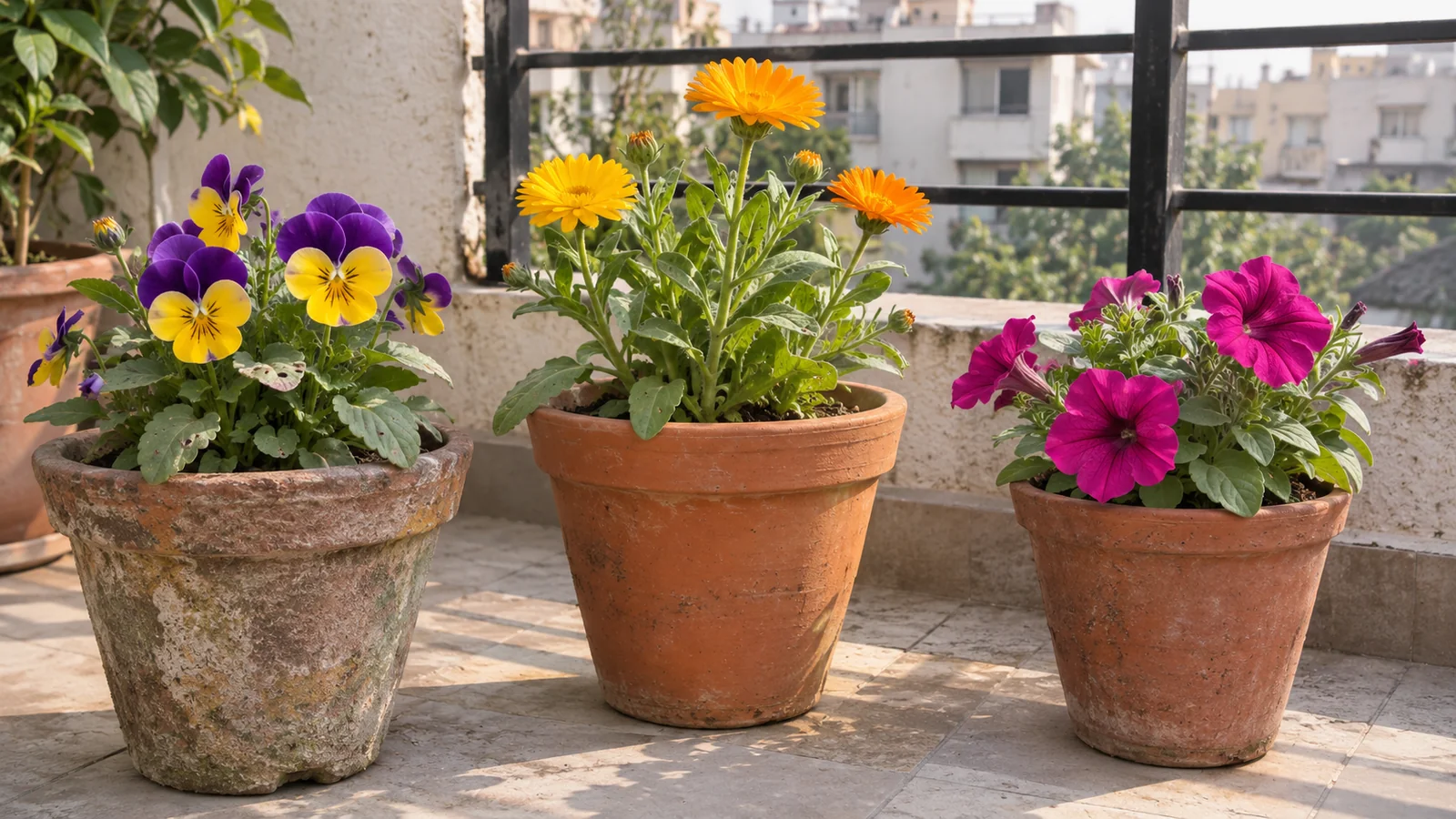
If your balcony looks bare in November, put one pot with buds or open flowers in the brightest suitable spot and start a small seed tray for later colour. Pansies suit a cool spot with morning sun. Petunias and gazanias are better bets where the pots get a longer stretch of direct light. Calendula gives you yellow and orange flowers, and a compact China aster adds height without taking over the balcony.
Which winter flowers fit your balcony?
Spend a clear day checking the exact spots where the pots will sit. Note when direct sun first reaches each spot and when a wall or neighbouring building cuts it off. A balcony that seems bright indoors may still offer little direct light at pot level. Aim for a spot with roughly six hours of direct light for gazania or petunia. Try pansies where there is morning sun and some afternoon shade, especially if the floor gets hot later in the day. See University of Minnesota Extension’s container guide and Illinois Extension’s cool-season flower guide.
- Pansy for cool mornings. Choose a compact plant with several buds for the front of a planter. If you have a cool spot to raise seedlings, you can also start pansies from seed.
- Calendula for a sunny pot. This is pot marigold. Start a labelled batch from seed when conditions are cool, or pick a nursery plant with unopened buds. NC State Extension lists full sun to partial shade and notes that the plant struggles in hot summer weather. See the calendula growing guide for pot care.
- Petunia for a sunny rail-side spot. Look for a compact variety for a pot or a trailing variety for a securely mounted planter. If you want flowers soon, buy a budded plant. Petunia seed is tiny and needs light to germinate. See petunia care for Indian pots and Iowa State’s sowing instructions.
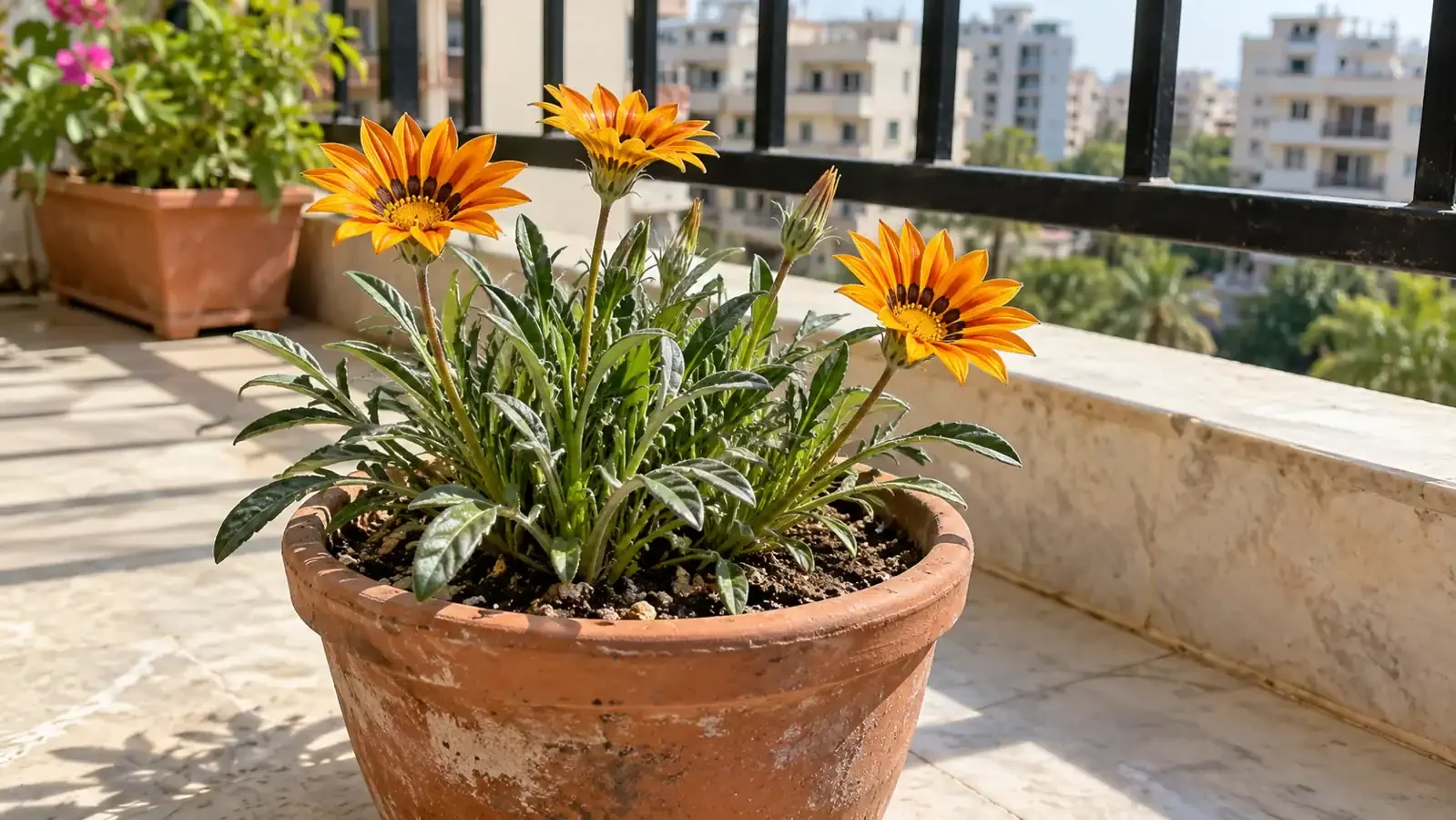
- Gazania for your sunniest spot. The flowers tend to close at night or on cloudy days. A nursery plant is a practical choice when you want colour sooner. See Illinois Extension’s gazania profile and the gazania pot guide.
- Compact China aster for upright flowers. Ask for the mature height on the label. Dwarf and tall types take up different amounts of space and taller plants may need support on a windy balcony. Choose a compact form for a container. NC State Extension lists the range of China aster forms.
Is November too late to sow?
In the northern plains, autumn is the usual seed-starting window for many winter annuals. By November you may already be able to buy transplants at the nursery. Punjab Agricultural University’s November guidance lists transplanting winter annuals such as calendula and petunia, while the Horticulture and Floriculture Society gives October–November as a sowing window for many winter flowers. These timings can overlap. If you are just starting, sow a few seeds and buy a budded plant for colour while they grow.
- Warm coastal or southern balcony: If afternoon sun still heats the pots strongly, start a small batch of calendula or petunia in a bright, sheltered spot when the weather eases. Give pansies the cooler morning-sun position and check for heat stress before buying several.
- Foggy plains or a frost-prone hill balcony: Keep trays in bright shelter during cold spells and bring tender petunia or gazania pots under protection when frost is forecast. Give plants the available sun on clear days. Check the mix before watering after several cool, overcast days.
How to start a small tray from seed
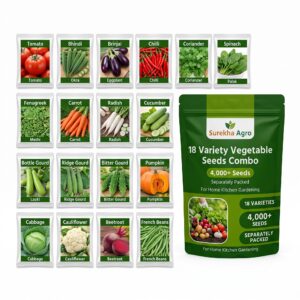
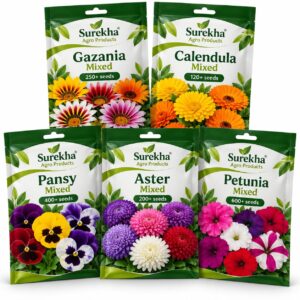
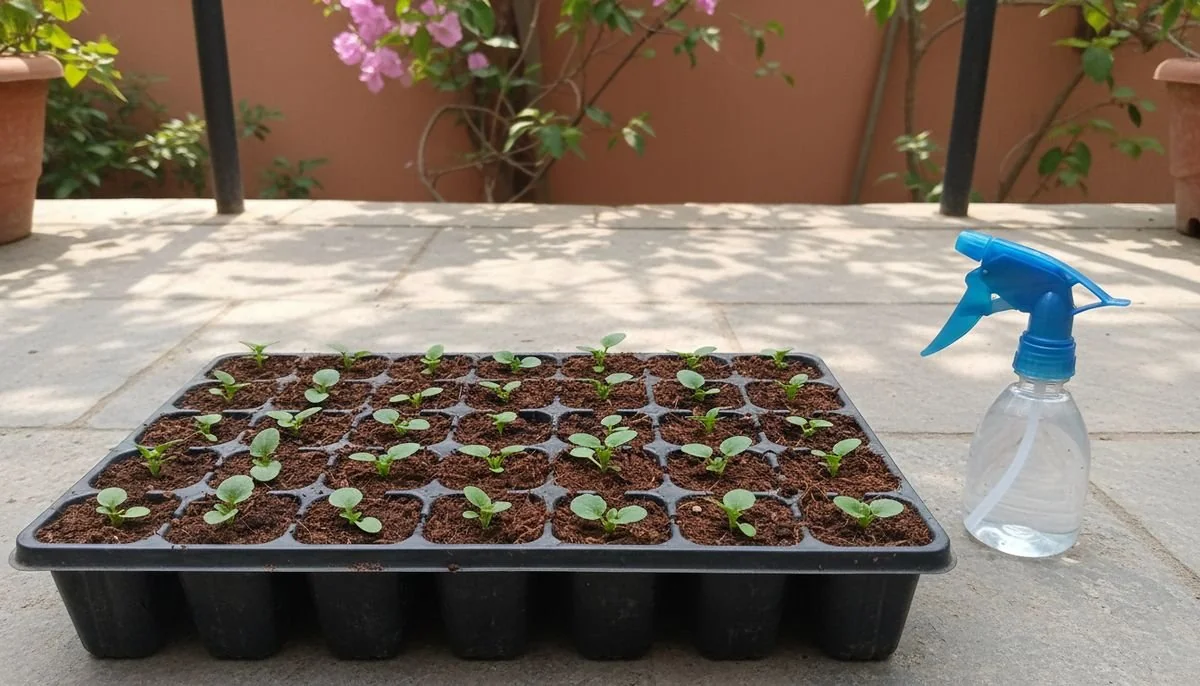
Set out a clean divided tray with drainage holes, fresh seed-starting mix, a pencil, labels and a fine mister. For a first batch, use a few cells of each flower so you can watch what germinates before filling the whole tray. The Surekha winter flower seed combo contains separately packed gazania, calendula, pansy, aster and petunia. Check each packet for sowing depth and growing conditions before you start.
- Moisten and label. Dampen the mix so it feels evenly moist and drains freely. Fill the cells without pressing the mix into a hard plug. Mark each row with the flower and date.
- Sow each flower at its own depth. Press petunia seed gently onto the surface so light reaches it. For the other seeds use the packet depth. Mist gently or let the tray take up water from below, then lift it out and let excess water drain. Iowa State’s petunia guide explains the surface-sowing method.
- Check daily for emergence. Keep the mix lightly moist. If you use a clear cover, keep the tray out of direct sun and remove the cover as seedlings emerge. Move seedlings into bright light. University of Minnesota Extension recommends individual cells to keep roots from tangling.
- Wait for true leaves and a rooted plug. True leaves appear after the first seed leaves. If two seedlings share a cell, snip the weaker one at mix level. For petunias, three true leaves is a useful marker for moving a seedling into its own cell or small pot. Wait for the roots to hold the mix together before moving a plug into its display pot. Gradually introduce stronger sun and wind over about a week or longer as conditions require. See how to harden off seedlings for the sheltered-to-exposed progression.
How to pot a nursery seedling
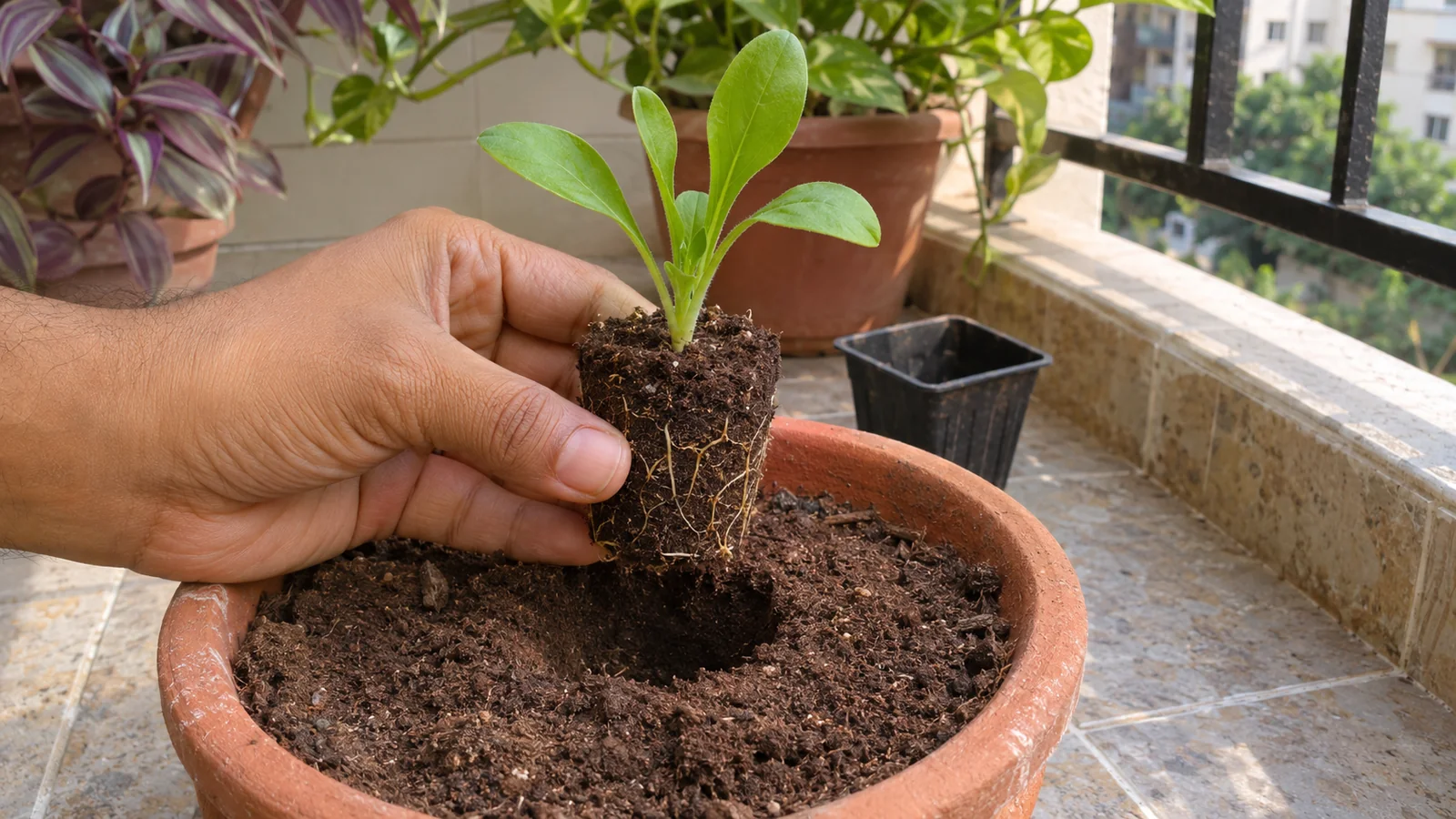
Look for firm stems, fresh leaves and several unopened buds if early flowers matter. Check under the leaves for insects and look at the base of the stem before you buy. At home, use a pot with open drainage holes and loose container mix. For a single compact plant, a pot about 20 cm (8 in) across is a practical starting point if the mature spread on the label fits. Go wider for a spreading petunia or several plants. Use a pot deep enough to hold the full root ball and leave about 2.5 cm (1 in) between the mix and rim for watering. Purdue Extension gives a 15 cm (6 in) minimum pot diameter for annual flowers, and Illinois Extension explains how to leave watering room.
- Water a dry nursery plug first and let it drain. Fill the new pot partway with lightly moistened mix and make a hole the size of the plug.
- Ease the plant out by pressing the cell from underneath or squeezing the sides of the nursery pot. Support the root ball in your hand. Set its top level with the surrounding mix and fill around it without burying the stem.
- Water until the first runoff appears and empty the saucer. If the nursery plant was sheltered, give it bright shelter and then increase its exposure over several days. Look for leaves that stay firm and new growth before increasing the time in stronger sun.
How to keep the pots flowering
Check established pots with your finger before watering. When the upper mix is dry and the pot feels lighter, water at soil level until it drains. Check small pots more often on sunny, windy days. If the mix still feels damp underneath after cool weather, wait and check again the next day. Once the plant is growing, check whether the potting mix already contains fertiliser. If you add feed, use a product labelled for container flowers and follow its dose and interval. See the University of Minnesota’s watering and feeding guidance.
For calendula and pansy, remove faded flower stems as they finish unless you are saving seed. With petunia, check the variety’s label for deadheading advice. When the seasonal plants decline in sustained heat, clear spent plants and debris from the pots. If you buy a potted chrysanthemum for immediate colour, use the chrysanthemum aftercare guide to plan what to do once it finishes flowering. Illinois Extension explains which annuals benefit from deadheading.
What to check when growth stalls
- Nothing has emerged by the packet’s expected window. Check whether you buried fine seed or let the surface dry out. Try a few fresh cells with the right depth and moisture, then give them the packet’s expected germination window before reassessing.
- Seedlings collapse at the mix line. Look for a thin, dark or water-soaked stem base and check whether the tray stays wet. Those signs are consistent with damping off. Discard affected seedlings and their mix, separate the healthy cells from shared runoff and restart in clean trays and fresh mix if collapse spreads. See University of Minnesota Extension’s damping-off guide.
- Leaves wilt even though the mix is wet. Check that water can leave the pot, and empty standing water before giving any more. Move the pot out of harsh afternoon heat while it recovers. If wilt persists the next day despite free drainage and moderate conditions, inspect the roots and stem base before changing fertiliser or watering again.
- Petunia makes leaves but few buds. Record direct light for a clear day and check how recently the plant was fed. If the balcony is shaded most of the day, gradually move the pot to a sunnier spot. Look for new buds over the following weeks. If you have a gazania whose flowers close after dusk, check again in direct sun before adjusting its care.
Can I put all five flowers in one planter?
Start them separately. The seedlings have different sowing needs and the mature plants may need different amounts of light and space. For a grouped look, place individual pots together where their light needs overlap. If you later combine plants in a planter, use the mature spread and watering needs on their labels to decide which can share it.