Potting mix for succulents should balance a small moisture-holding component with plenty of coarse mineral material. For a manageable starting batch, measure one volume of ordinary horticultural potting mix, one of perlite and one of pumice. Use a pot with an open drainage hole, then adjust watering to the plant and its actual drying conditions.
A good mix cannot compensate for a sealed pot or a filled reservoir. This guide is for healthy, rooted, dryland succulents such as jade and many common rosette succulents. It is not a seed-sowing recipe or a treatment for damaged roots. Tropical forest cacti such as Christmas cactus need a different approach.
What makes a suitable succulent soil mix?
Look beyond words such as “premium” or “organic.” Ask what is in the bag, which plants it is intended for and whether it contains fertiliser. A suitable ready-made cactus or succulent blend is a reasonable choice for one or two pots. DIY is useful when you want a repeatable ingredient record, not automatically a cheaper or better result.
On a phone, swipe the tables sideways to read every column.
| Your starting point | Check first | Next decision |
|---|---|---|
| Ready-made succulent mix | Ingredients, intended use and added feed | Try one suitable pot before modifying the whole bag |
| Ordinary potting mix | Horticultural container medium, not dug garden soil | Use it as the base in the measured example below |
| A healthy plant already growing well | Root space, stability and how the pot dries | Leave it alone until repotting is needed |
| Soft base or deteriorating roots | Extent of damage and persistent wetness | Seek a diagnosis; changing the recipe alone is insufficient |
RHS guidance describes free-draining gritty media, but its John Innes recipes refer to specific UK products. Do not replace those named products with an arbitrary local bag at the same ratio. Likewise, TNAU describes soil-based succulent mixtures; that is a different system from the lightweight example here.
Choose materials by their job
- Potting-mix base: use a fresh horticultural container medium with a disclosed composition. It provides the finer, moisture-holding portion. Avoid using a heavy clay clod or unknown waste soil as the equivalent of a bagged medium.
- Horticultural perlite: the lightweight white material is a mineral component. Choose a growing-media product and follow its dust-handling directions.
- Horticultural pumice: porous mineral granules provide the other mineral portion in this example. Check that the product is sold for plants. Do not substitute unidentified construction rubble.
Sand is not one uniform material. If following a recipe that specifies sharp sand or horticultural grit, buy that grade. The RHS distinguishes horticultural sharp sand from builders’ sand. Fine sand, coarse grit, perlite and pumice should not be swapped solely because each looks pale or granular.
Cocopeat is a moisture-holding organic ingredient, not a substitute for the mineral fraction. If you use compressed coir in a different supported recipe, prepare it according to its label before measuring; our cocopeat block guide covers that preparation. Do not add it as an extra fourth scoop to this batch without accounting for the changed proportions.
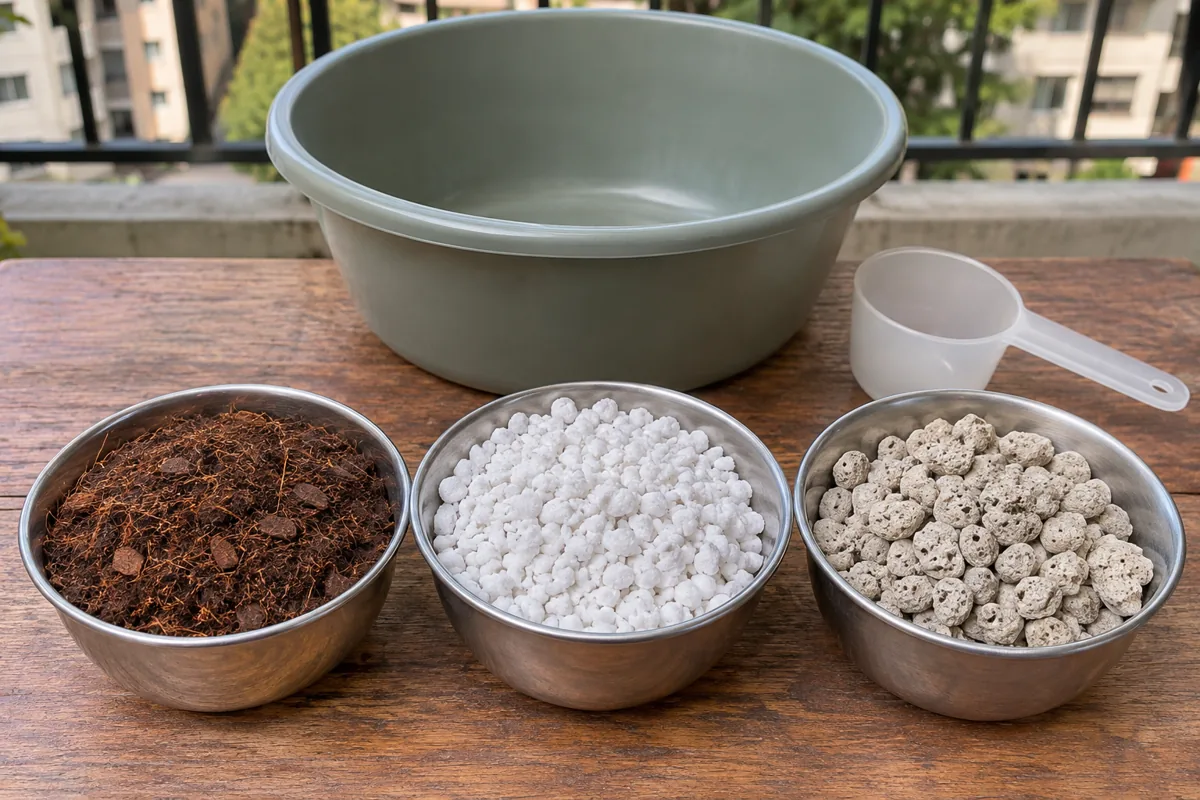
Potting mix for succulents: a three-litre example
Iowa State Extension gives a starting framework of one organic part to two mineral parts. The example below uses ordinary potting mix for the organic base and divides the mineral portion between perlite and pumice. It is a source-based starting blend, not a Surekha nursery trial or a formula proven for every Indian balcony.
| Component | Parts by volume | Example measurement |
|---|---|---|
| Ordinary horticultural potting mix | 1 | 1 litre |
| Horticultural perlite | 1 | 1 litre |
| Horticultural pumice | 1 | 1 litre |
The measured ingredients total three litres before settling; final usable volume can vary. For a smaller trial, use one cup of each. Do not weigh out three equal kilograms. If you already bought a well-formulated succulent blend, avoid automatically adding two more mineral portions: first assess the product as supplied.
- Set up. Use a clean tub, one measuring container and a scoop. Work where dust will not blow towards people; follow the ingredient labels for handling and protection. Wash your hands afterwards.
- Measure consistently. Loosen the base, fill the measure without compressing it and level each scoop. Keep packaging or write down the product names.
- Blend the whole batch. Fold material from the bottom and corners into the centre. Check several handfuls for a reasonably even distribution rather than leaving white material on top.
- Label the trial. Record the date and proportions. Keep unused materials clean and stored as their labels direct. One small batch is easier to assess than filling an entire collection at once.
Our vegetable potting-mix recipe serves a different crop and moisture task. Its compost-rich proportions should not become the default succulent recipe.
Match the mix to a pot that actually drains
A drainage hole must lead somewhere water can escape. Check that the pot is not sealed against a flat surface and that an outer cover cannot collect runoff unnoticed. For a decorative container without holes, use a removable nursery pot with holes inside it and empty the cover after watering.
UC’s container-drainage explanation shows why a gravel layer underneath finer mix does not improve drainage: the wet zone moves upward and usable root space shrinks. Grit distributed through a suitable blend and a separate gravel layer are different arrangements. Use the blend throughout; a rock layer is not a substitute for an outlet.
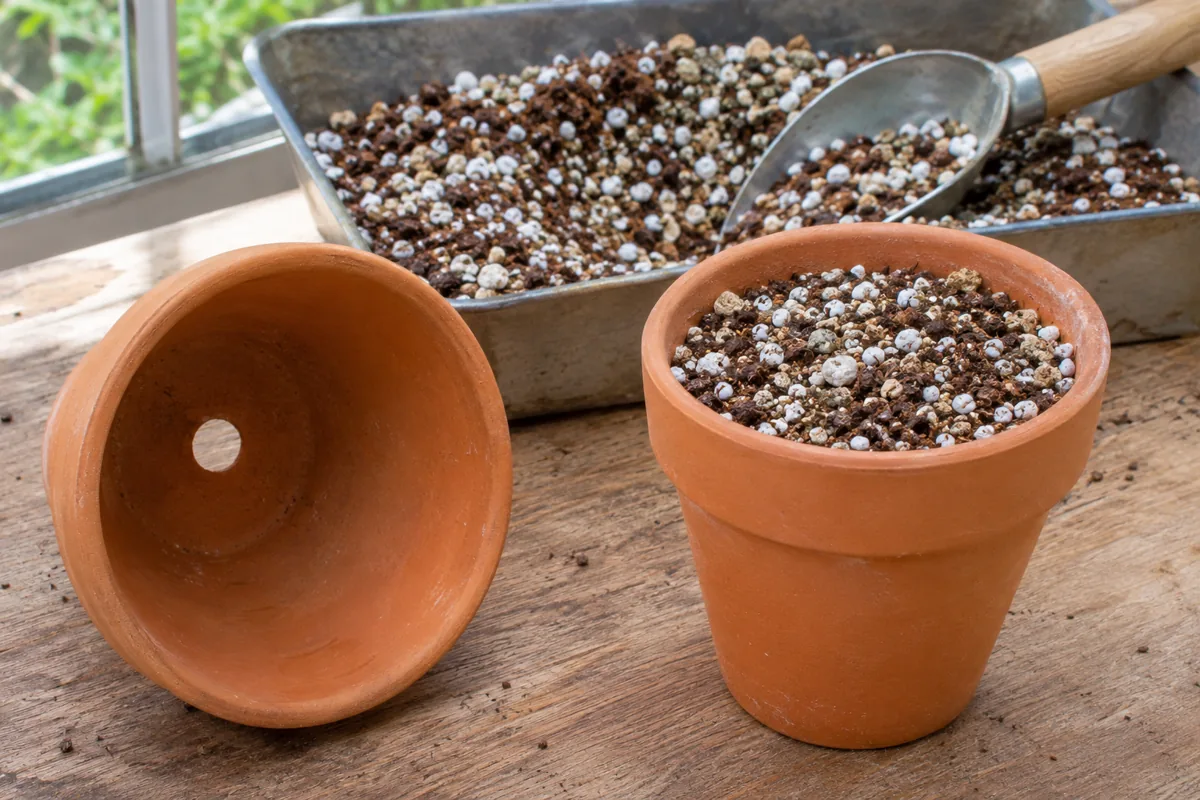
Choose a container that accommodates the existing roots without a large unused skirt of fresh mix. Taller is not automatically better. Iowa State advises fitting the root system and avoiding an oversized pot. Terracotta can dry faster than glazed or plastic containers, so learn the behaviour of the actual pot you use.
For a healthy rooted plant, slide it out while supporting the base, remove loose old medium gently and check for damaged tissue. Set it into the new pot at its previous soil level, fill around the roots and settle gently without ramming the blend solid. Leave a watering gap below the rim. Do not strip every root bare simply to make all the old medium disappear. CSU guidance on planting level and gentle settling supports these handling steps; use the succulent-specific watering advice below.
Aftercare depends on the plant and its roots
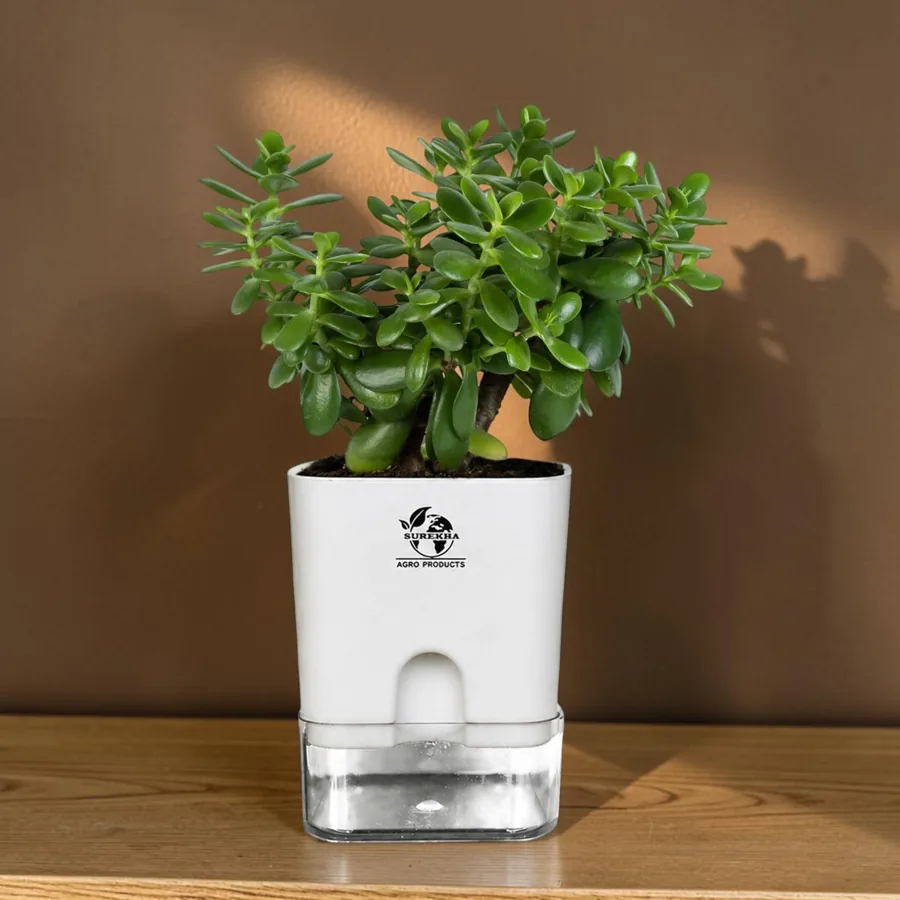
For Crassula ovata, Wisconsin Extension recommends repotting as new growth starts and watering sparingly until established. Do not interpret that as repeated small daily splashes. Check moisture below the surface and whether the pot is becoming lighter; avoid adding water while the root zone remains wet.
Once established, jade needs a drying interval between thorough waterings, with runoff removed. A freshly cut root system or an unrooted cutting needs its own healing and rooting procedure. Do not apply one automatic “water immediately” or “wait seven days” rule to all these situations. Use our jade care guide for the plant’s wider light, growth and propagation decisions.
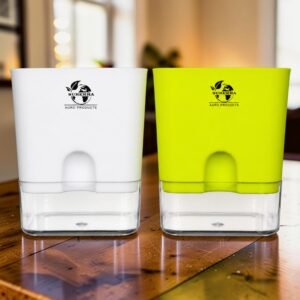
In a reservoir planter, check the inner pot and drainage route and keep the reservoir empty for this dry-down approach. Our self-watering planter guide explains the system differences. A gritty recipe does not make continuously wet culture suitable for every succulent.
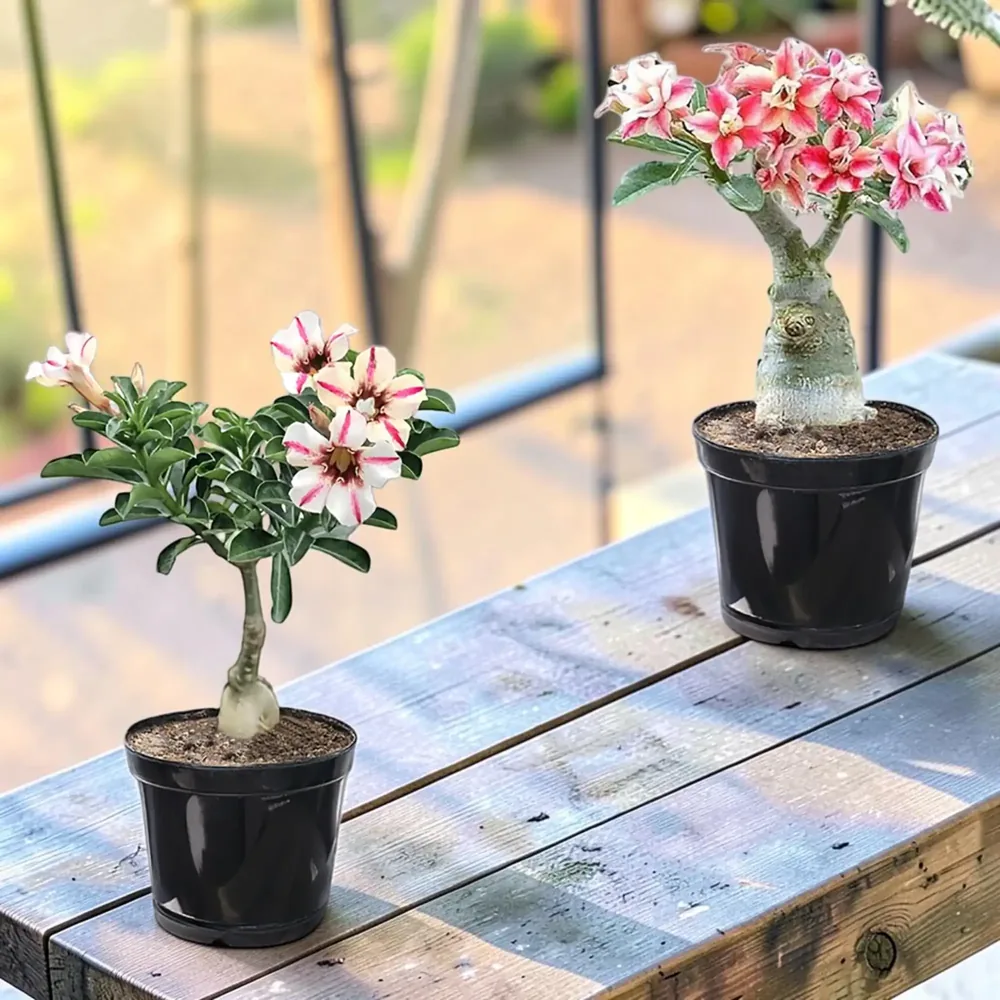
Adenium is not just a larger jade. Check whether it is actively growing or resting before routine repotting and watering. Our adenium care guide covers rain protection, cool-weather rest and sap precautions. If choosing a new plant, the current catalogue includes jade and grafted desert rose; confirm the supplied plant and planter details before deciding how to grow it.
Use Indian conditions to change the routine
- Rain reaching a coastal balcony: move dryland succulents under a bright rain shelter and check collected runoff. Adding more grit does not cancel continuous incoming rain.
- A cool northern room with little new growth: reassess moisture before repeating a summer watering habit. Postpone routine repotting of a stable plant until suitable active growth.
- A hot, windy terrace: check drying more often, including below the surface. Do not add water merely because the surface looks pale, or jump directly to a richer recipe without checking the plant’s exposure.
- A dim indoor shelf: correct the plant’s light placement rather than trying to solve weak growth with more compost or fertiliser.
These are condition-based management choices, not region-tested percentages. Keep a short record of watering, rain exposure and pot weight. Compare the same pot through a wet–dry cycle before changing several ingredients and care habits together.
Troubleshooting: check before adding anything
| Observation | Discriminating check | First action and follow-up |
|---|---|---|
| Pot stays damp | Rain, blocked outlet, filled reservoir, oversized pot or low light? | Remove the continuing water source and free drainage. Recheck the root zone before watering; worsening softness needs inspection. |
| Water runs down the sides | Is the centre still dry, or has mix pulled from the wall? | For an established plant due water, wet the mix slowly and evenly, drain, then check the centre again. Fast runoff alone is not proof of even wetting. |
| Leaves wrinkle | Is the root zone dry, or wet with failing roots? | Water an established dry plant appropriately. Do not add more water to wet roots; inspect deterioration or seek closer help. |
| White material appears | Was it perlite from day one, a crust, or cottony pest material? | Compare with an unused ingredient sample. Inspect insects separately; use the mealybug guide for cottony clusters. |
Soft spreading tissue, a collapsing base or continuing decline warrants a closer plant examination. A photograph or soil colour alone cannot identify a pathogen. Avoid adding fungicide, fertiliser or household powders to an undiagnosed pot.
Frequently asked questions
Can I use cocopeat alone for succulents?
It is not the mixed organic-and-mineral system described here. Choose a supported succulent recipe or a suitable complete product rather than assuming a coir brick is a ready-to-use succulent medium.
Is one-third potting mix a universal rule?
No. It is the starting framework used for this example. Ingredient grade, species, pot and growing conditions matter. A commercial blend can already contain mineral material, so do not automatically amend it as if it were plain potting mix.
Can I put stones in a pot without drainage holes?
Stones do not create an exit. Use a pot with holes, or an inner nursery pot you can remove and drain before replacing it in a decorative cover.
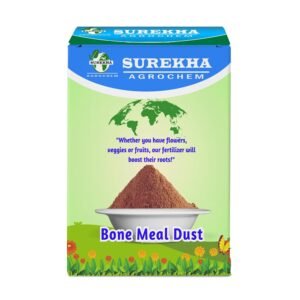
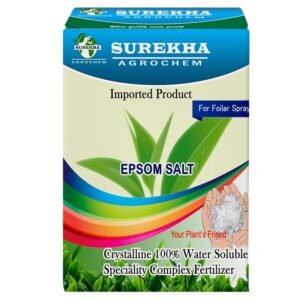
Do I need vermicompost, bone meal or Epsom salt?
None is required to measure this batch. Check any feed already in your base mix. For an actively growing plant that needs feeding, follow an appropriate fertiliser label; do not combine amendments as a repotting remedy.
Can I use this for Christmas cactus or leaf propagation?
Not as a universal instruction. Christmas cactus is a forest cactus with different moisture needs, and unrooted cuttings need a species-specific rooting procedure. Start with plant identity and the growth stage.
How do I know the new mix is working?
Look for predictable wetting and drying, stable foliage and, in the appropriate growth period, new growth. Record observations rather than expecting a guaranteed recovery date. If a plant deteriorates, reassess its roots and conditions before another repot.
Start with one plant and one small batch. An open outlet, a recorded recipe and a watering decision based on the root zone are more useful than collecting extra ingredients.
Written by the Surekha Agro Products plant care team. Last updated 23 November 2026.
Sources
- Iowa State Extension: succulent growing media and containers
- RHS: succulent growing materials and forest-cactus differences
- TNAU: cacti and succulents in landscaping
- UC Master Gardeners: drainage in containers
- Wisconsin Extension: jade establishment and watering