Almost every Indian home has one: a money plant climbing a moss stick in the living room, trailing from a bottle on the kitchen window or hanging over a balcony grill. Most people bring it home because of what they have heard about luck and prosperity. This guide sorts the money plant benefits you can actually count on from the ones that belong to tradition, explains what Vastu beliefs say about placement, and covers the one thing many buyers miss: pet safety.
Quick answer
The real benefits of a money plant are practical. It tolerates low light better than most houseplants, forgives irregular watering, grows happily in plain water or soil, roots from cuttings in a couple of weeks, and costs almost nothing to multiply. Caring for a plant can also be a calming routine. The popular beliefs that it brings wealth or luck come from Vastu and folk tradition and cannot be tested. Its effect on indoor air in a real room is very small, and its sap and leaves are toxic to cats, dogs and small children if chewed, so place it out of reach.
Money plant benefits at a glance
| Claim | What the evidence or experience shows | How strong is it? |
|---|---|---|
| Survives in low light | Prefers bright, indirect light but copes with dim rooms for long periods | Well supported by extension services |
| Low maintenance | Let the top of the mix dry between waterings; feed lightly | Well supported |
| Grows in water | Stem cuttings root readily in a jar of water | Well supported |
| Free new plants | Every pruned stem with a node can become a new plant | Well supported |
| Decor and greenery | Trails, climbs or hangs; fits shelves, walls and windows | Obvious and real |
| Calming, feel-good effect | Small studies link plant care with lower stress | Modest evidence for plants in general |
| Brings money and good luck | A Vastu and folk belief | Cultural belief, not testable |
| Purifies room air / gives oxygen | Removed chemicals in sealed lab chambers; tiny effect in a ventilated room | Weak; do not buy it for this |
Which plant is the “money plant”?
In India, “money plant” almost always means Epipremnum aureum, known elsewhere as golden pothos or devil’s ivy. It belongs to the arum family (Araceae), the same family as peace lily and aglaonema, and was earlier sold under the name Scindapsus aureus. NC State Extension describes it as a low-maintenance evergreen grown for its glossy green or variegated leaves on cascading stems, native to the Society Islands in the South Pacific.
The name causes some confusion. Jade plant (Crassula ovata) is also sold as a “money tree”, and the round-leaved Pilea is called “Chinese money plant”. They are different plants with different care. If you want the jade version, read our guide to jade plant benefits. This article is about the trailing pothos.
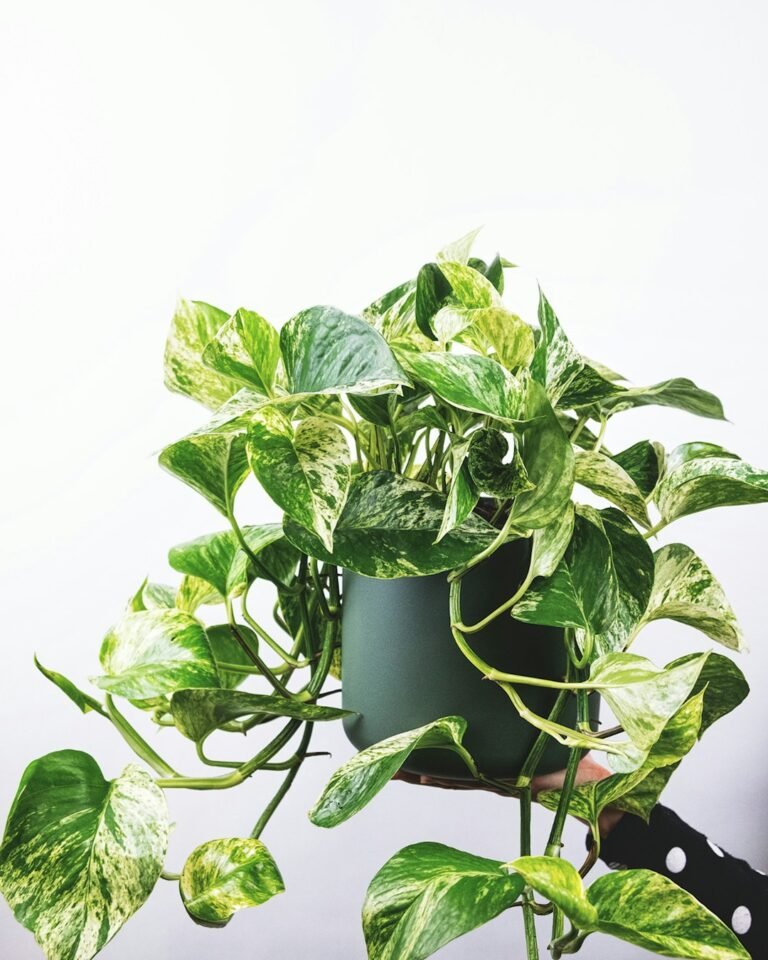
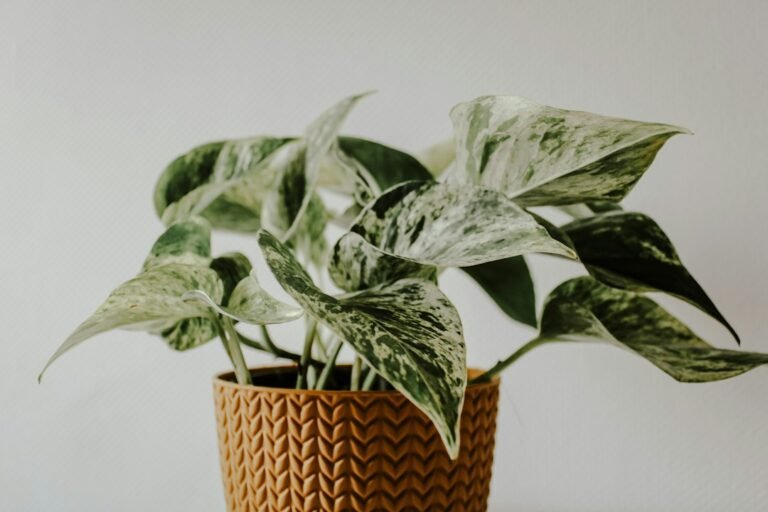
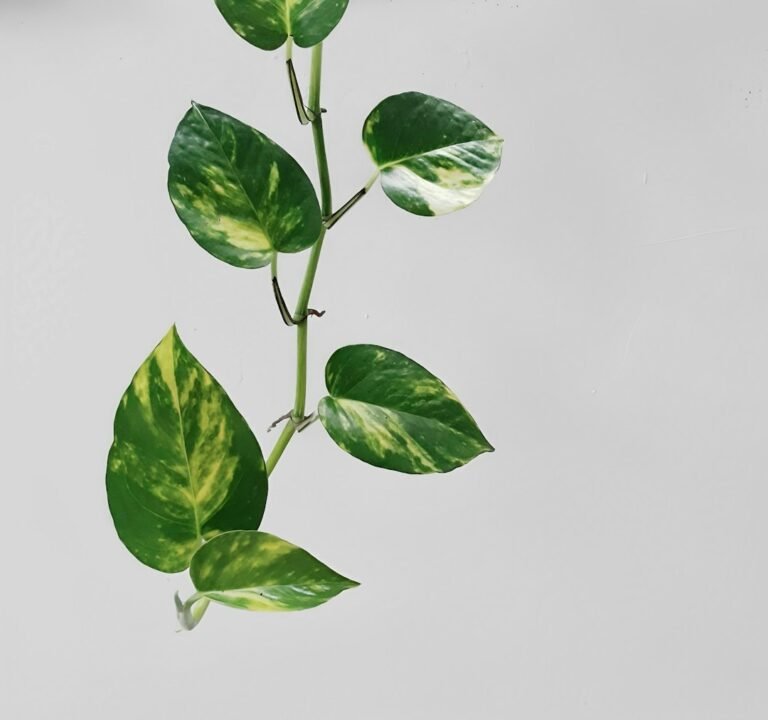
Common types you will find in Indian nurseries include the classic golden money plant (green with yellow streaks), the white-and-green variegated or Marble Queen type, and plain green forms. Their benefits and care are almost identical; the paler, more variegated types simply need a little more light to keep their colour.
8 practical benefits of a money plant at home
1. It copes with the light most Indian flats actually have
Many apartments get strong sun on one side and dim corners everywhere else. Money plant handles this better than most houseplants. NC State Extension notes that it prefers bright, indirect light but survives for long periods in low light. A spot a few feet from a north or east window, a well-lit hallway or an office desk under tube lights is usually enough to keep it alive and green. It will grow faster and fuller near brighter light, so treat dark corners as a stopgap rather than a permanent home. Our list of low-light indoor plants for Indian homes has more options for the darkest rooms.
2. It forgives missed waterings
The usual advice from extension services is to let the potting mix dry out between waterings. In practice that means watering when the top two to three centimetres feel dry: roughly once a week in summer, less in winter, and much less during a humid monsoon. A money plant that dries out a little too much will droop and then perk up within hours of watering. One that sits in soggy soil is far more likely to suffer, which is why overwatering, not underwatering, is the usual cause of trouble. If yours is already showing yellow leaves, our checklist on money plant yellow leaves walks through the causes in order.
3. It grows in plain water
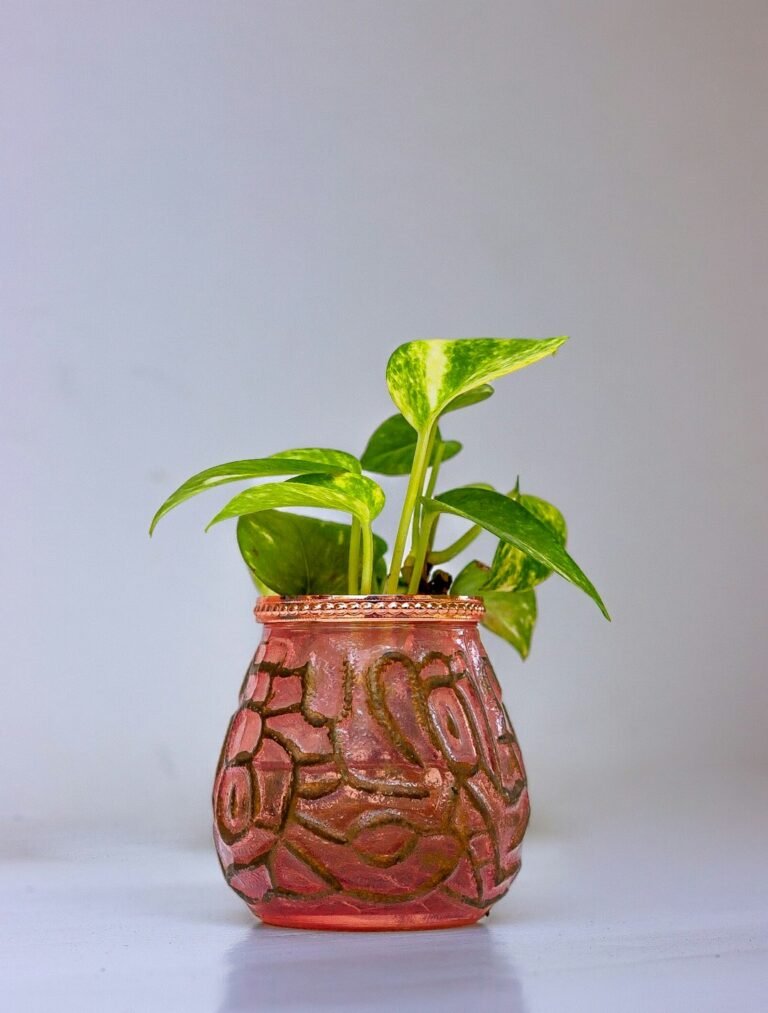
Few plants are as easy to grow without soil. NC State Extension notes that the vines root easily in water, which is why you see money plants in bottles, jars and glass bowls across India. A water-grown money plant is clean, needs no repotting and suits kitchens, study tables and office desks. Change the water every week or two, keep the leaves above the waterline, and add a very dilute liquid fertiliser once a month during the growing season, because plain tap water has very few nutrients.
4. One plant gives you many more, free
Because it roots so readily, a single healthy money plant can fill a whole house. To take a cutting:
- Choose a healthy stem and cut a piece with three or four leaves and at least one or two nodes, using clean scissors.
- Remove the lowest leaf so the node can sit under water without a leaf rotting in the jar.
- Place it in a clean glass or bottle of water in bright, indirect light.
- Change the water every few days at first. White roots usually appear within two to three weeks in warm weather.
- Once the roots are a few centimetres long, either keep it in water or pot it into a light, well-drained mix.
Spring and the warm months before the monsoon are the fastest time for rooting in most of India. In north Indian winters rooting slows down noticeably, so be patient or wait until February.
5. It fits almost any space
A money plant can trail from a shelf, climb a moss stick, cover a balcony wall or sit compactly in a small self-watering pot. NC State Extension notes that when it is given something to climb and enough light, it starts producing larger, more mature leaves, which is why moss-stick plants often look so much fuller than hanging ones. Trailing types are easy to keep tidy: simply pinch or cut back long stems to keep the plant bushy, and root the cuttings.
6. It is cheap to buy and hard to kill
For first-time plant owners, students and people who travel for work, few plants give as much greenery for as little money and effort. That makes it a sensible first plant and a common housewarming or Diwali gift. If you are just starting out, our money plant care guide for first-time owners covers potting, feeding and repotting step by step.
7. Caring for it can be calming
Researchers in Korea, writing in the Journal of Physiological Anthropology, compared young adults transplanting an indoor plant with the same people doing a computer task. After the plant task they reported feeling more comfortable and soothed, and their diastolic blood pressure was lower. The study was small and was about indoor plants in general, not money plant specifically, but it fits what many people feel: a few minutes of watering, wiping leaves and trimming vines is a pleasant break from screens.
8. It softens a room
This sounds obvious, but it is a real reason to keep one. Long green vines soften bare walls, hide wires along a window and make a rented flat feel more lived-in. Wipe the leaves now and then; dusty leaves look dull and catch less light. Our routine for cleaning indoor plant leaves works well for money plant.
Money plant benefits in Vastu (cultural beliefs)
Much of the interest in money plant benefits in India is about luck. In Vastu Shastra and popular tradition, the money plant’s heart-shaped leaves and quick, steady growth are linked with prosperity and positive energy. Common advice you will hear includes:
- Placing it in the south-east part of a house or room, a direction many Vastu practitioners associate with wealth.
- Avoiding the north-east corner.
- Training the vines upward on a stick or support rather than letting them trail on the floor, which is seen as symbolic of rising fortunes.
- Removing dry or yellow leaves promptly, since a sickly plant is considered unlucky.
Treat all of this as tradition rather than science. A money plant will not change your finances. What we can say is that several of these customs happen to be good horticulture: a plant trained up a support gets more light and grows bigger leaves, and removing dead leaves keeps it healthy and pest-free. If the south-east of your home is dark, choose the bright spot first; a weak plant in the “right” direction helps nobody.
Does money plant purify air or give oxygen at night?
Golden pothos was one of the plants tested in NASA’s well-known 1989 study by Wolverton and colleagues, in which plants in small, sealed chambers removed chemicals such as formaldehyde from the air. That study is the source of most “air-purifying plant” claims.
Real homes are very different from sealed chambers. A 2019 review by Cummings and Waring in the Journal of Exposure Science & Environmental Epidemiology converted results from many chamber studies into clean-air delivery rates. They found that you would need somewhere between 10 and 1,000 pots for every square metre of floor space before plants could equal the air exchange that normal ventilation already provides. In other words, opening a window does far more than a pot of money plant.
The same goes for oxygen. Like most houseplants, money plant takes in carbon dioxide and releases oxygen during the day and does the reverse at night, and the amounts from one pot are tiny compared with the air in a room. It is perfectly fine to keep one in a bedroom, but not for oxygen. Our snake plant benefits article explains the night-time oxygen myth in more detail.
Is money plant safe for pets and children?
No. This is the most important caution in this article. The ASPCA lists golden pothos as toxic to dogs and cats. The plant contains insoluble calcium oxalate crystals, and chewing it can cause intense burning and irritation of the mouth, tongue and lips, excessive drooling, vomiting and difficulty swallowing. NC State Extension also notes the sap can cause skin irritation in sensitive people.
- Hang it high or train it up a moss stick where cats and puppies cannot reach the vines.
- Keep water-grown bottles off low tables and windowsills that children use.
- Wear gloves or wash your hands after pruning if your skin is sensitive.
- If a pet chews it and shows symptoms, contact a veterinarian promptly.
If you have curious pets, a spider plant is a safer choice; see our spider plant care guide.
How to get the most from a money plant in India
- Light: bright, indirect light near an east or north window. Shield it from harsh afternoon sun in April to June, which scorches leaves.
- Pot and mix: a pot with drainage holes and a light mix (garden soil, compost and cocopeat or sand). A self-watering pot makes watering easy for busy households.
- Water: when the top 2–3 cm of mix is dry. Empty saucers so roots never stand in water.
- Feed: NC State Extension suggests fertilising every other month except during winter rest. A mild liquid feed or a little vermicompost from March to October is plenty.
- Support: a moss stick or wall support gives bigger leaves and a fuller look.
- Prune: older stems drop their lower leaves over time; cut them back and root the tips to keep the plant bushy.
Seasonal care across India
| Season | Money plant care |
|---|---|
| Hot months (March–June) | Fastest growth. Water more often, keep out of direct afternoon sun, take cuttings and repot if roots crowd the pot. |
| Monsoon (July–September) | Water much less; humid air keeps soil wet for longer. Watch for root rot and fungus gnats in soggy pots. |
| Post-monsoon (October–November) | Good time for a light feed and a tidy-up prune before winter. |
| Winter (December–February) | Growth slows, especially in north India. Water sparingly, stop feeding, and keep the plant away from cold windows and doors at night. |
Money plant problems and quick fixes
| Symptom | Probable cause | What to do |
|---|---|---|
| Yellow leaves, soggy soil | Overwatering or poor drainage | Let it dry, check drainage holes, repot into a lighter mix if roots are brown and mushy |
| Long bare stems, small leaves | Too little light | Move closer to a bright window; prune and root the tips |
| Variegation fading to plain green | Low light | Give brighter, indirect light |
| Brown, crispy patches | Harsh direct sun or very dry soil | Move out of afternoon sun; water more evenly |
| Slimy roots in a water jar | Stale water | Rinse roots, trim rotten parts, change water weekly |
Choosing a money plant
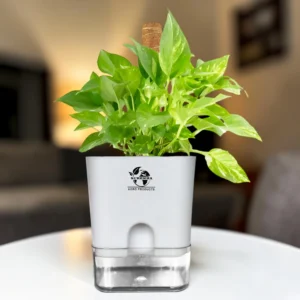
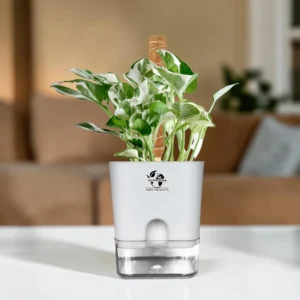
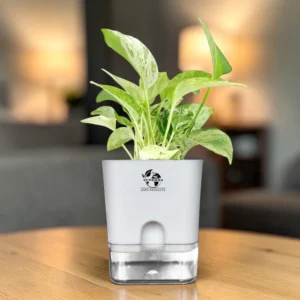
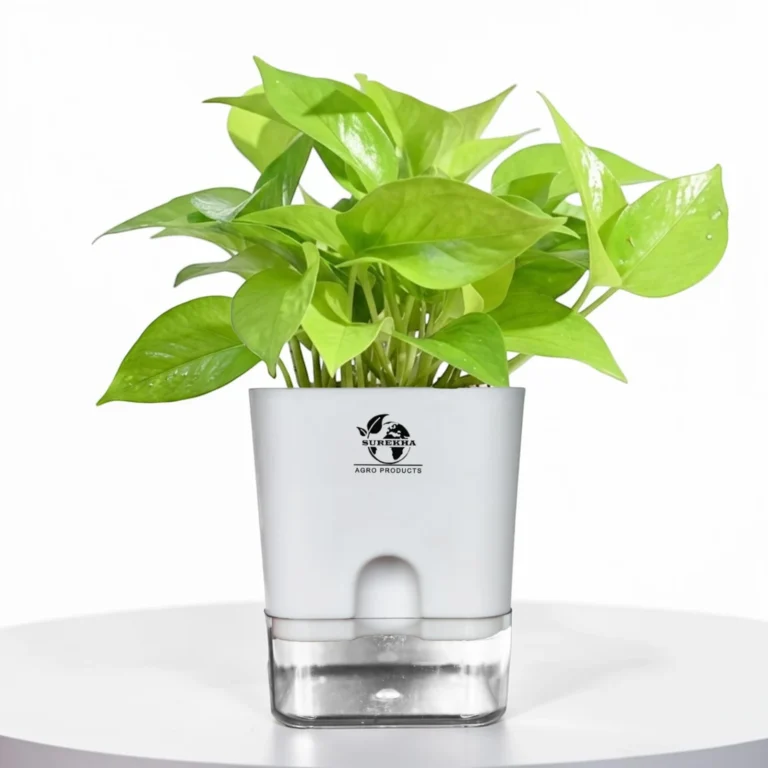
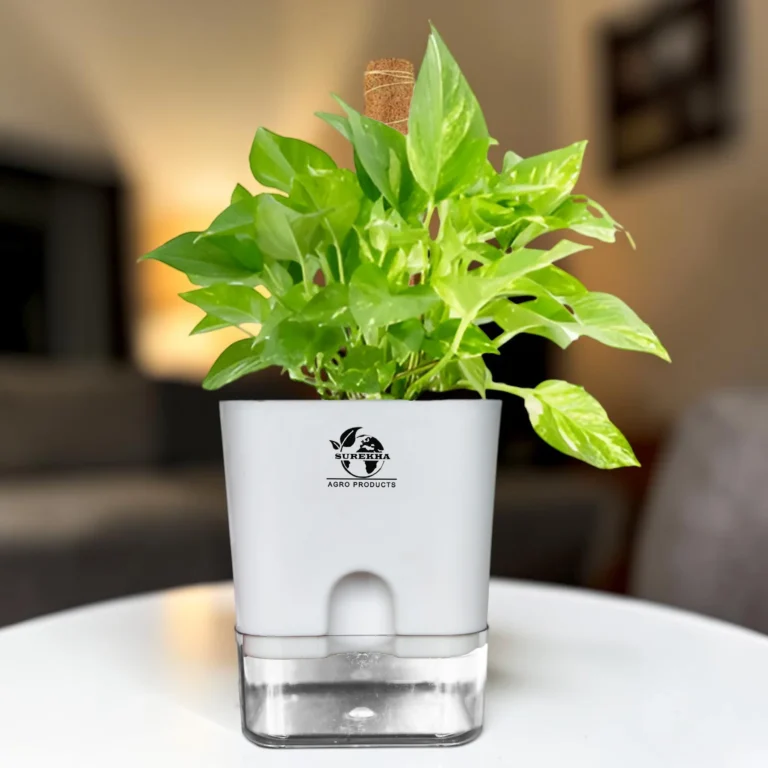
Look for firm, glossy leaves with no brown spots, several stems in the pot and no smell from the soil. If you want a ready-to-go plant with easy watering, the Golden Money Plant in a Self-Watering Pot has a water reservoir that helps on busy weeks.
If you want the tall, full look that Vastu advice favours, the Money Plant with Moss Stick is already trained upward. Prefer white variegation? Try the Variegated Money Plant or the Marble Queen Pothos. For gifting, the Lucky Plants Combo pairs a variegated money plant with jade and lucky bamboo; our lucky bamboo care guide covers the third plant.
Frequently asked questions
What are the main benefits of money plant at home?
It is easy to grow, survives in low light, tolerates irregular watering, grows in water or soil, and multiplies from cuttings for free. Looking after plants can also be relaxing. Wealth and luck are cultural beliefs, and its air-cleaning effect in a real room is very small.
Is money plant lucky according to Vastu?
In Vastu tradition it is considered a symbol of prosperity, and the south-east is the most commonly suggested direction, with the north-east usually avoided. These are beliefs rather than proven effects. Whatever direction you choose, healthy growth depends on bright, indirect light.
Can I keep a money plant in the bedroom?
Yes, as long as it gets some light and is out of reach of pets and small children. It will not noticeably change the oxygen level of the room, at night or during the day.
Does money plant give oxygen at night?
No. Like most houseplants it releases oxygen by day and takes it in at night, and the amounts are tiny compared with the air in a room.
Is money plant better in water or soil?
Both work. Water-grown plants are clean and simple but grow more slowly and need water changes and a weak feed. Soil-grown plants usually grow larger and fuller, especially on a moss stick.
Is money plant poisonous to cats and dogs?
Yes. According to the ASPCA, golden pothos is toxic to both cats and dogs because of calcium oxalate crystals, which cause mouth irritation, drooling, vomiting and difficulty swallowing. Keep it out of reach.
Why is my money plant not growing?
The usual reasons are too little light, a cold north Indian winter, or roots sitting in wet soil. Move it closer to a bright window, water only when the top of the mix is dry, and expect fresh growth when the weather warms.
Conclusion
The best money plant benefits are the everyday ones: it stays green in ordinary Indian homes, forgives a busy schedule, grows happily in a bottle of water and gives you new plants for free. Keep the Vastu customs if they make your home feel right, but choose the spot for light first, skip the air-purifier hype, and hang it where pets and children cannot chew it. Do that, and one small pot can stay with your family for years.
Sources
- NC State Extension Gardener Plant Toolbox, Epipremnum aureum (Pothos)
- ASPCA Animal Poison Control, Golden Pothos
- Wolverton et al. (1989), A Study of Interior Landscape Plants for Indoor Air Pollution Abatement, NASA
- Cummings and Waring (2019), Potted plants do not improve indoor air quality: a review and analysis of reported VOC removal efficiencies, Journal of Exposure Science & Environmental Epidemiology
- Lee et al. (2015), Interaction with indoor plants may reduce psychological and physiological stress, Journal of Physiological Anthropology