
1. Introduction
Snake plant benefits extend far beyond simple home decor. In our modern lives, we are constantly surrounded by invisible pollutants, from traffic fumes that sneak through our windows to chemicals released by everyday items. The air inside our homes can be surprisingly contaminated, impacting our health and well-being. But what if a simple houseplant could offer a solution? Enter the snake plant, a low-maintenance superhero that silently works to purify your air, day and night.
This article will explore the incredible snake plant benefits, delving into the science behind its air-purifying properties, its aesthetic appeal, and its surprising health advantages. Even NASA recognizes the Snake Plant as a top air-purifying plant, a testament to its powerful capabilities. Prepare to discover why this resilient plant is a must-have for any home or office.

Meet the Snake Plant: A Tough Beauty
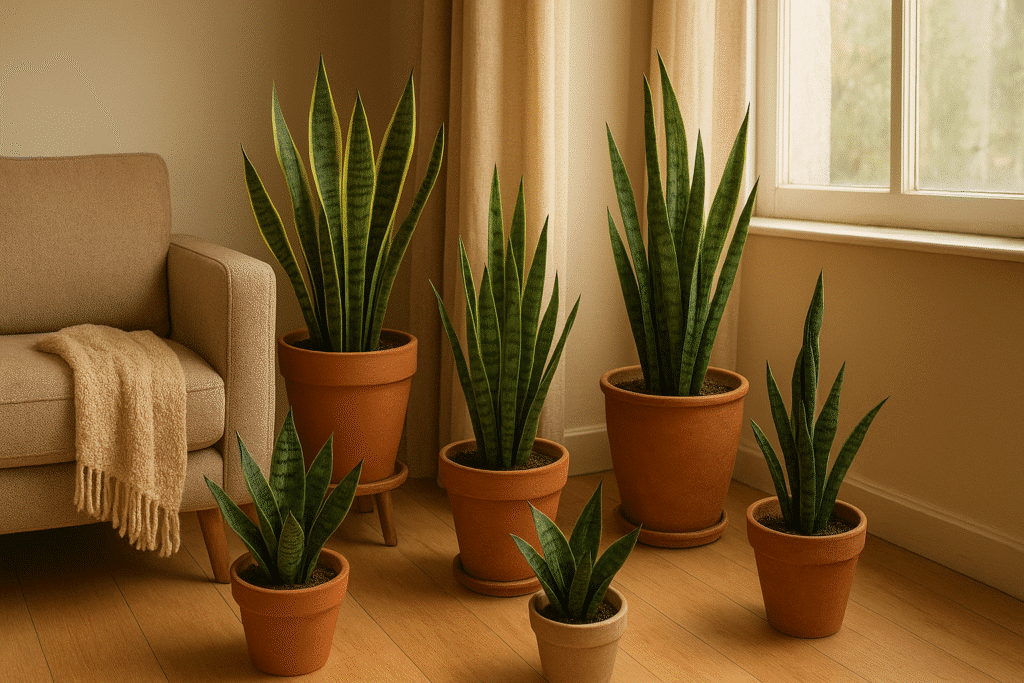
The snake plant is one of the most recognizable and popular indoor plants, and for good reason. It features tall, upright, sword-like leaves that are often variegated with shades of green, yellow, or silver. Its architectural form makes it a striking addition to any interior design scheme, from minimalist to bohemian.
This hardy plant goes by several common names, including Mother-in-Law’s tongue, Saint George’s sword, and its scientific name, Dracaena trifasciata (formerly Sansevieria trifasciata). Originating from the arid regions of West Africa, it is naturally adapted to thrive in tough conditions, making it incredibly resilient and easy to care for. Its ability to withstand neglect makes it a favorite among both new and experienced plant owners. It’s stylish, nearly indestructible, and a powerful natural air filter. Many people look to buy a snake plant online due to its widespread popularity.
Snake Plants: Significance and Symbolism
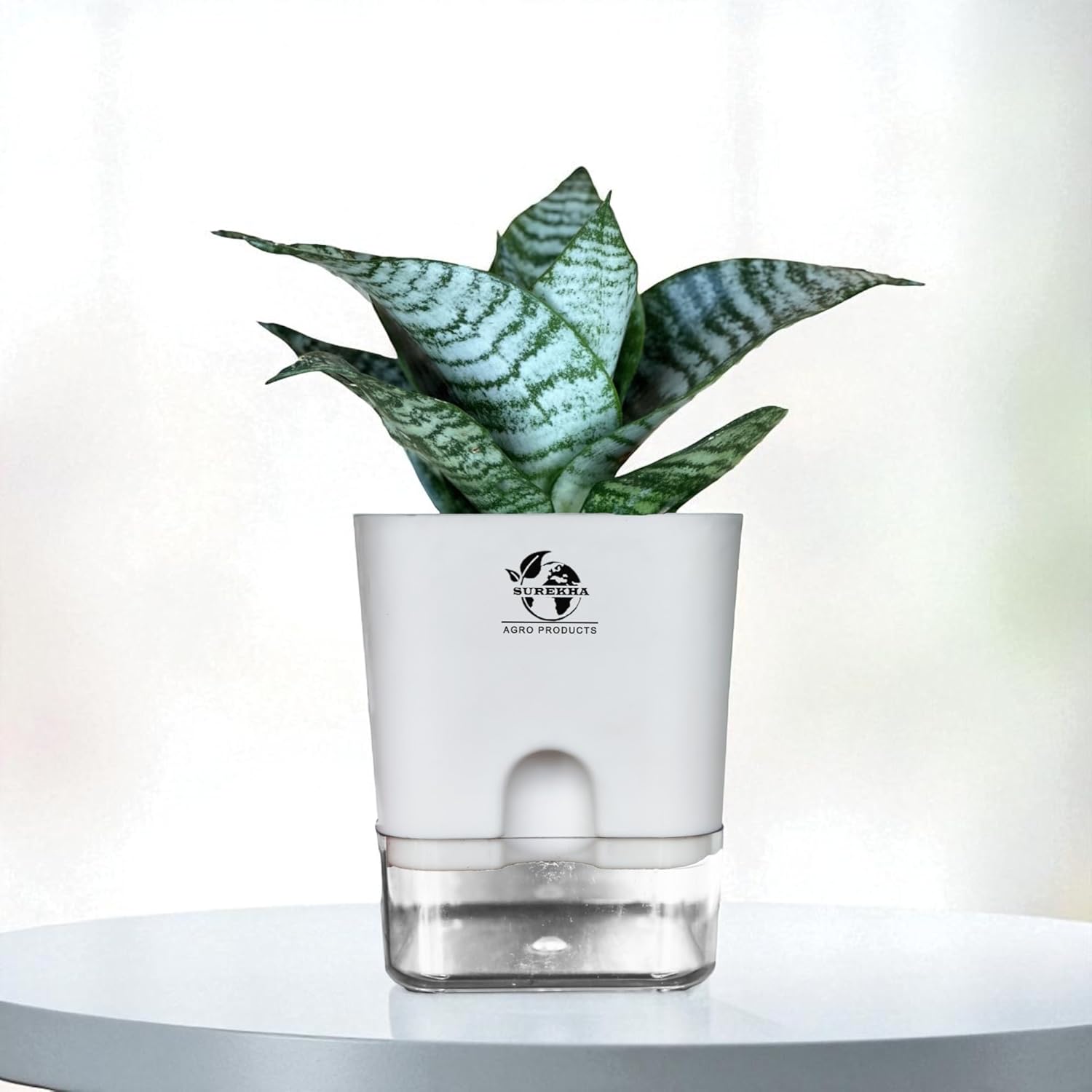
Beyond its practical benefits, the snake plant holds significant cultural and symbolic meaning in various traditions. In many cultures, its sharp, pointed leaves are believed to cut through negative energy and provide a protective shield around the home. This symbolism of strength and defense makes it a popular choice for entryways and living spaces.
The plant’s resilience is also a key part of its symbolism. Its ability to thrive in low light and with infrequent watering represents perseverance, determination, and the capacity to endure challenging circumstances. Having a snake plant in your environment can serve as a quiet reminder of your own inner strength. The positive energy associated with it is a major reason for its use in snake plant Vastu practices.
The Silent Healer: Snake Plant Benefits – How Snake Plants Purify Your Air Naturally 18
The Science Behind Air Purification
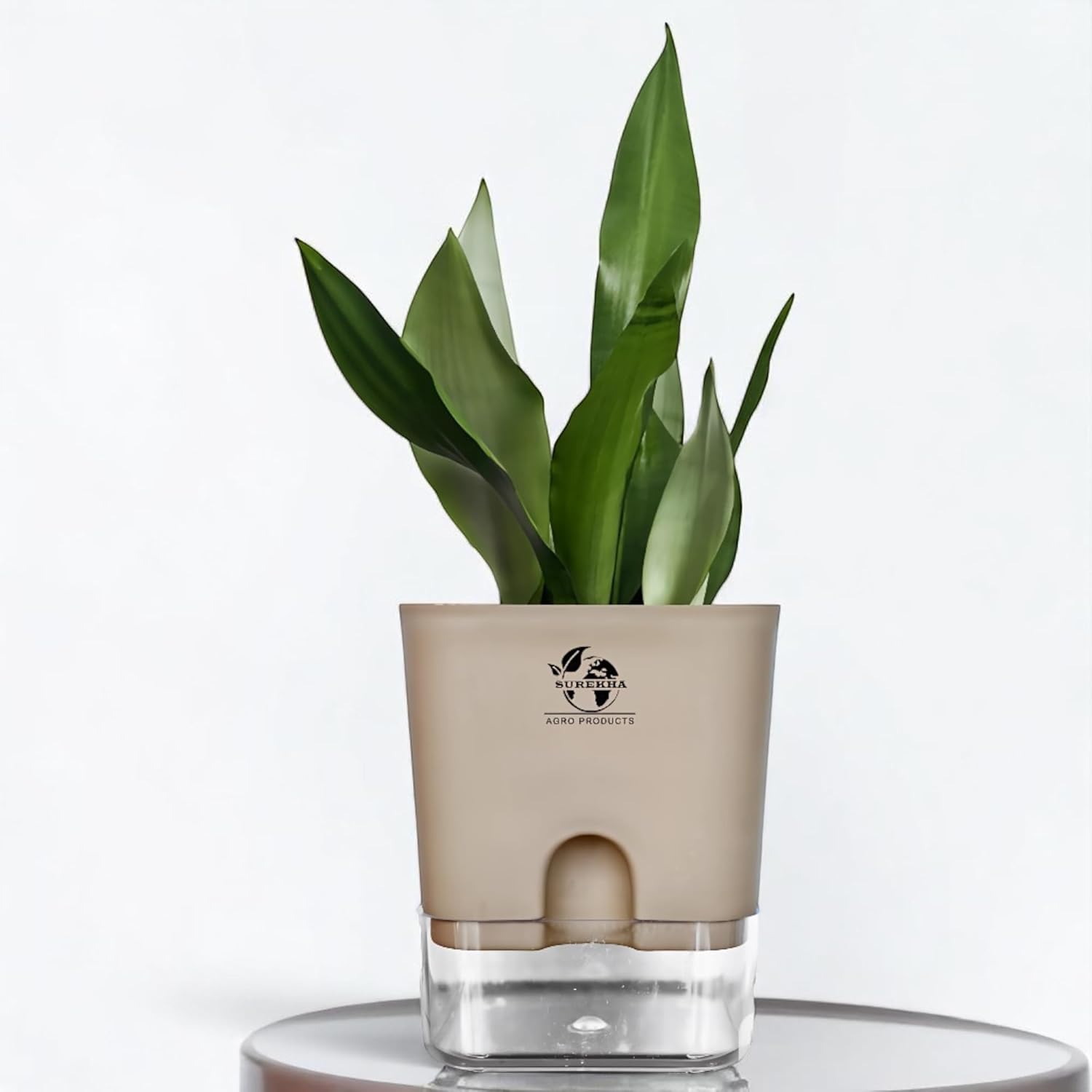
The snake plant benefits for air quality extend far beyond folklore—they are supported by scientific research. Plants naturally purify the air through several biological processes, and the snake plant is especially effective at this.
Like most plants, it improves indoor environments through photosynthesis, absorbing carbon dioxide (CO₂) and releasing oxygen (O₂). However, one of the most remarkable snake plant benefits is its ability to perform a specialized process called Crassulacean Acid Metabolism (CAM). Unlike most plants that take in CO₂ during the day, CAM plants like the snake plant open their pores (stomata) at night to absorb CO₂. This unique adaptation, common among plants from arid regions, helps conserve water while continuing to purify the air—even while you sleep.
The remarkable result is that the snake plant actively releases oxygen throughout the night, making it an ideal companion for bedrooms. This continuous oxygen boost while you sleep can contribute to more restful nights and improved overall health.
Furthermore, the famous NASA Clean Air Study identified the snake plant as one of the top plants for removing volatile organic compounds (VOCs) from the air. It is among one of the most important snake plant benefits. VOCs are harmful chemicals like formaldehyde, benzene, xylene, and trichloroethylene, which are commonly found in paints, furniture, cleaning products, and building materials. The snake plant absorbs these toxins through its leaves and breaks them down into harmless substances, effectively cleansing your indoor environment.

Common Snake Plant Varieties
While the classic image of the snake plant is well-known, there are many snake plant varieties to explore. Each has a unique appearance, but all share the same hardy nature and same snake plant benefits. Exploring the different types of snake plants can help you find the perfect one for your space.
Here are a few popular snake plant varieties:
- Dracaena trifasciata ‘Laurentii’: This is perhaps the most common variety, recognized by its gray-green leaves edged with creamy yellow bands. It’s a classic choice and what most people picture when they think of a snake plant.
Here are a few popular snake plant varieties:
- Dracaena trifasciata ‘Laurentii’: This is perhaps the most common variety, recognized by its gray-green leaves edged with creamy yellow bands. It’s a classic choice and what most people picture when they think of a snake plant.
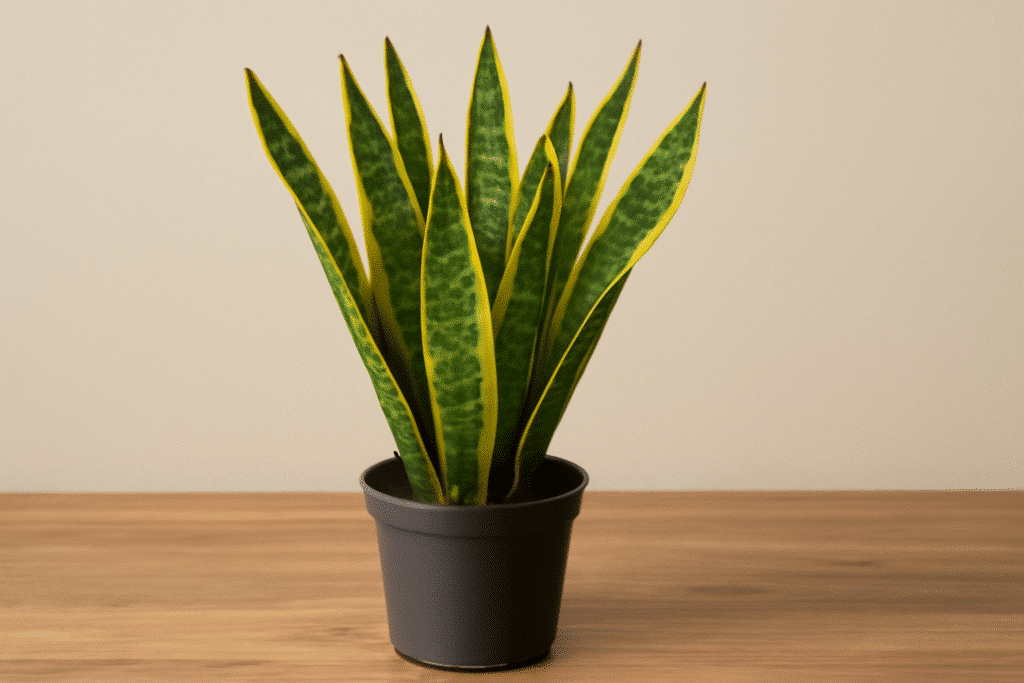
- Dracaena trifasciata ‘Hahnii’ (Bird’s Nest Snake Plant): This is a small snake plant variety that grows in a compact, rosette shape, resembling a bird’s nest. It typically reaches only about 6-8 inches in height, making it perfect for desks, shelves, or small tables
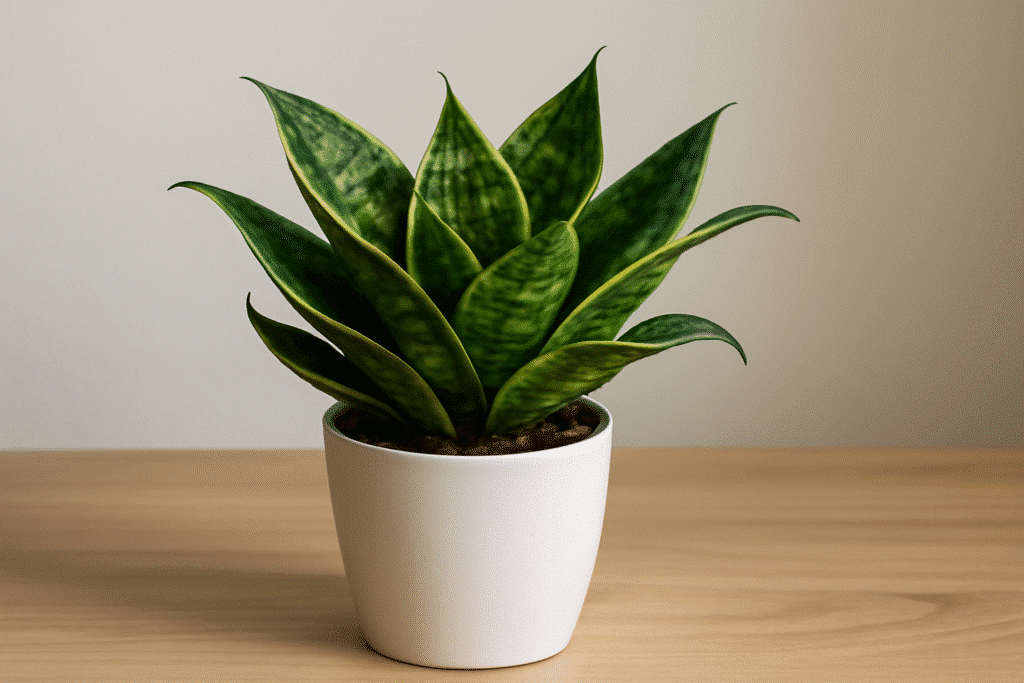
- Dracaena angolensis (Cylindrical Snake Plant): Also known as the African Spear Plant, this variety has smooth, round, spear-like leaves that can be braided or left to grow in their natural fan shape. Its unique form adds a modern touch to any decor.
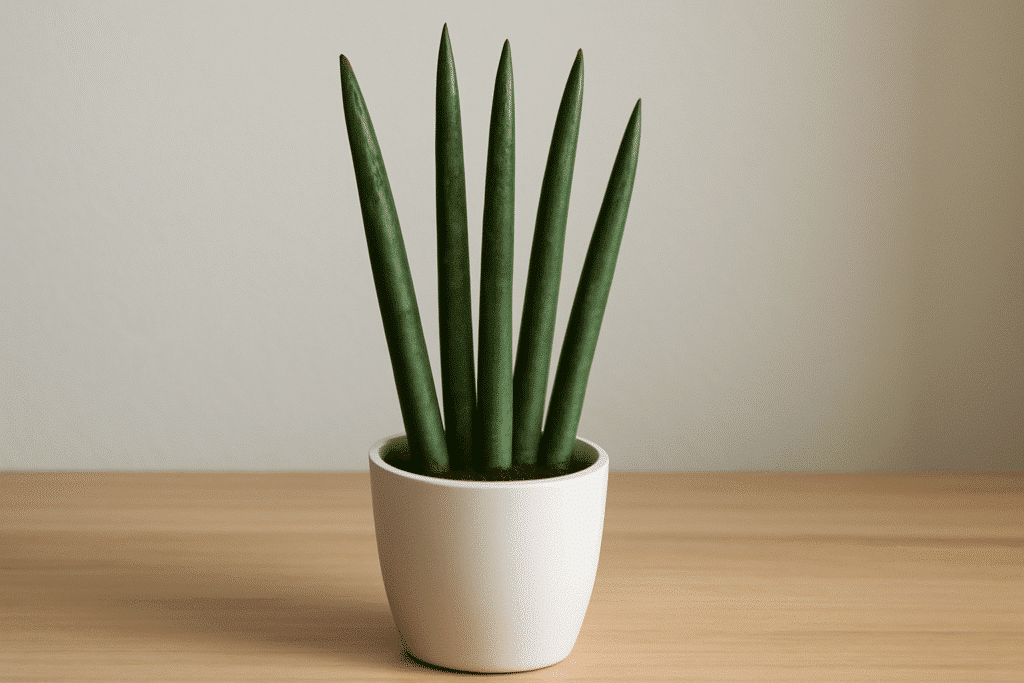
- Dracaena trifasciata ‘Moonshine’: This variety is prized for its beautiful, pale, silvery-green leaves. It offers a softer, more ethereal look compared to the darker green varieties and is a stunning statement piece.
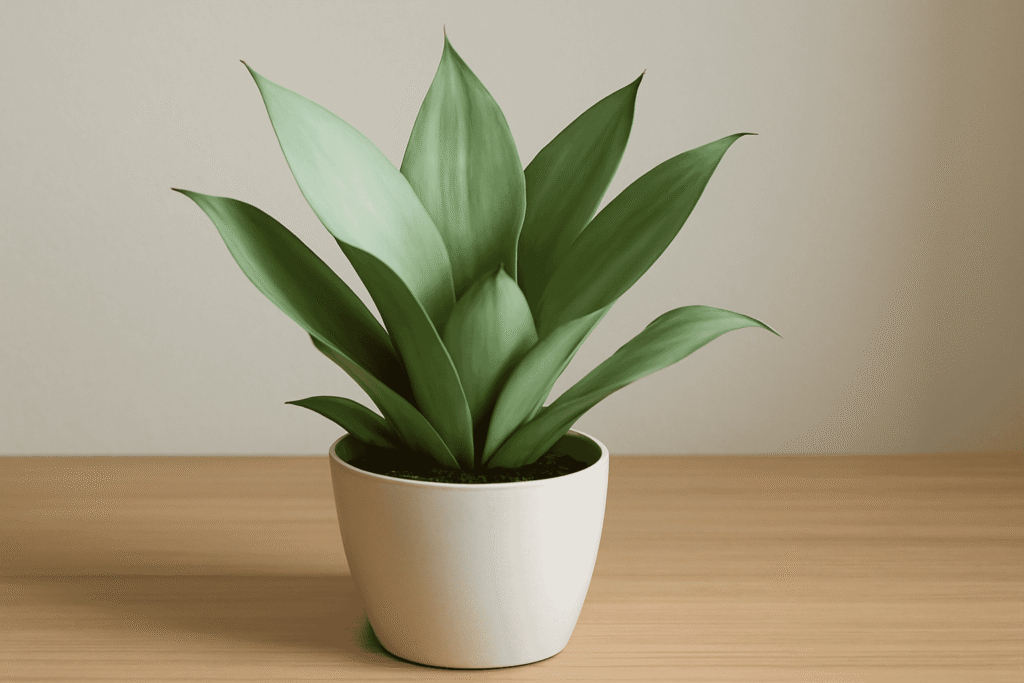
Dracaena trifasciata ‘Zeylanica’: Similar in shape to the ‘Laurentii’ but without the yellow edges, this variety features dark green leaves with lighter green horizontal stripes, giving it a subtle, wavy pattern.
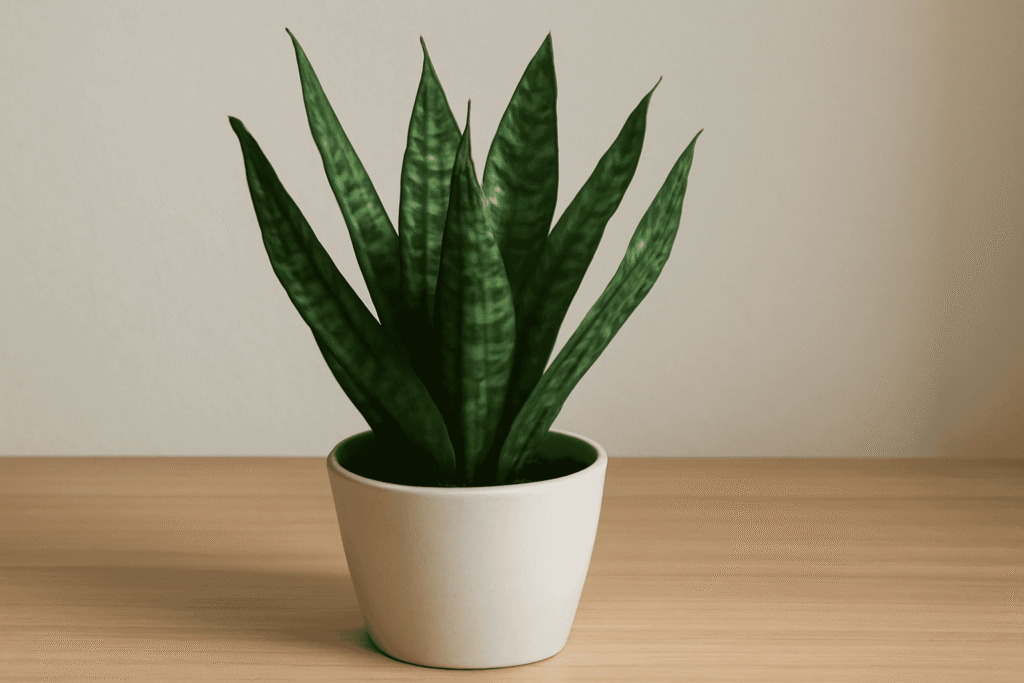
With so many types of snake plants available, you can easily find one that matches your personal style and space requirements. Many nurseries and online stores offer a wide selection, so finding a snake plant online is simple.
Snake Plant Benefits- Key Air-Purifying
The air-purifying snake plant benefits are extensive and directly contribute to a healthier indoor environment. Let’s break down the key advantages this remarkable plant offers.
a. Removes Harmful Toxins
One of the most significant snake plant benefits is its ability to filter harmful VOCs from the air. These toxins are off-gassed from common household items, including:
- Paint and sealants
- Carpets and furniture
- Cleaning supplies and air fresheners
- Printers and other office equipment
The snake plant is particularly effective at removing formaldehyde, trichloroethylene, toluene, xylene, and benzene. These chemicals have been linked to health issues like headaches, dizziness, eye irritation, and long-term respiratory problems. By placing a snake plant in your home, you are employing a natural, silent filter to reduce your exposure to these pollutants.
b. Boosts Oxygen Levels, Especially at Night
As mentioned earlier, the snake plant’s CAM photosynthesis process is a game-changer. While most plants stop releasing oxygen at night, the snake plant continues to do so. This makes it an excellent choice for bedrooms, as higher oxygen levels during sleep can lead to deeper, more restorative rest. Improved oxygen flow can help you wake up feeling more refreshed and energized.
c. Reduces Allergens and Improves Humidity
The large, broad leaves of a snake plant act as a natural trap for airborne allergens like dust and pollen. By capturing these particles, the plant helps reduce the number of irritants floating in your air. It is one among several snake plant benefits. Additionally, through the process of transpiration, snake plants release small amounts of moisture into the air. This can help combat the dry air often caused by heating and air conditioning systems, potentially easing symptoms of dry skin and respiratory irritation.
d. Promotes Better Sleep & Mental Clarity
The connection between air quality and mental function is well-established. The combination of toxin removal and nighttime oxygen production creates an optimal environment for your brain to rest and recharge. Fresh, clean air can reduce stress, improve concentration, and enhance overall cognitive function. Placing a small snake plant on your nightstand or in your home office can contribute to a clearer mind and a more peaceful state.
e. Natural Décor for Calm and Focus
The psychological snake plant benefits should not be overlooked. The presence of greenery has been scientifically shown to reduce stress, lower blood pressure, and improve mood. The snake plant’s strong, vertical lines and soothing green hues bring a sense of natural tranquility and order to a space. This can help create a calming atmosphere, promoting focus in a workspace and relaxation in a living area.

The Silent Healer: Snake Plant Benefits – How Snake Plants Purify Your Air Naturally 25
Snake Plant in Vastu & Feng Shui
In the ancient practices of Vastu Shastra and Feng Shui, the placement of objects within a space is believed to influence the flow of energy. The snake plant is highly regarded in both traditions for its positive energetic properties. According to snake plant Vastu, this plant is a powerhouse of positive energy.
In Feng Shui, the plant’s upward-growing leaves are thought to represent growth and positive chi (Qi). It is considered a protective plant that wards off negativity and shields the inhabitants from bad energy. Its sharp leaves are said to cut through stagnant or harmful vibes.
According to snake plant Vastu principles, the ideal placement is in the south or east direction of the house. Placing it near a window in the bedroom, in a living room corner, or in a home office is believed to maximize its protective and purifying energies. The plant symbolizes resilience, strength, and purification, making it a meaningful addition to any home seeking balance and harmony.
How to Care for Your Snake Plant
One of the greatest snake plant benefits is how incredibly easy it is to care for. This plant thrives on neglect, making it perfect for beginners or busy individuals. Here are some beginner-friendly tips to keep your snake plant healthy:
- Light: Snake plants thrive even in low light environments. However, they grow best and display more vibrant colors in medium to bright indirect sunlight.Keep the plant out of direct, intense sunlight to prevent leaf scorch.
- Water: This is the most critical aspect of snake plant care. Less is more. Overwatering is the most common way to kill a snake plant, as it leads to root rot. Let the soil dry out fully before watering again. In winter, you may only need to water it once a month.
- Soil: A well-draining soil mix is essential. A cactus or succulent mix works perfectly. You can also make your own by adding perlite or sand to standard potting soil. The right snake plant pot should have drainage holes at the bottom to prevent water from accumulating.
- Temperature: Snake plants prefer warm environments, ideally between 70-90°F (21-32°C). They are not frost-tolerant, so keep them away from cold drafts and windows during winter.
- Fertilizer: Snake plants are not heavy feeders. You can use a gentle, organic fertilizer like bone meal or vermicompost once every 2-3 months during the growing season (spring and summer). Avoid fertilizing in the fall and winter.
Choosing the right snake plant pot is also important for its health and aesthetics. A pot that is too large can hold excess moisture, while a sturdy pot will support its tall leaves.

Common Myths & FAQs
Despite its popularity, several myths and questions surround the snake plant. Let’s clear up some common misconceptions.
“Is the snake plant poisonous?”
The snake plant is mildly toxic to pets and humans if ingested. Chewing on the leaves can cause mild reactions like mouth pain, nausea, and vomiting. However, it is perfectly safe to touch and handle. Simply keep it out of reach of curious pets and small children.
“Does it attract snakes or insects?”
No, quite the opposite. The name comes from the shape and pattern of its leaves. In fact, snake plants are known to be quite pest-resistant and can even help repel some insects.
“Can it survive in air-conditioned rooms?”
Yes, a snake plant can do very well in an air-conditioned room. It is tolerant of the dry air produced by AC units. Just be sure to keep it away from direct drafts from the vent.
“Does it really purify air indoors?”
Yes, the air-purifying snake plant benefits are scientifically proven, most notably by the NASA Clean Air Study. While a single small snake plant won’t transform your home’s air overnight, having several plants will certainly contribute to a cleaner, healthier indoor environment, especially when combined with proper ventilation.

Styling Ideas: Where to Keep Snake Plants
The snake plant’s versatility extends to its styling potential. Its strong, architectural form complements a wide range of interior designs.
- Bedrooms: For its night-time oxygen release and calming presence. A small snake plant on a nightstand or a larger one in a corner works well.
- Offices: To improve focus, reduce stress, and filter toxins from office equipment.
- Bathrooms: It can tolerate the low light and humidity of a bathroom, adding a touch of spa-like greenery.
- Entryways: To create a welcoming, protective entrance, as suggested by snake plant Vastu.
- Living Rooms: As a floor plant in a stylish snake plant pot or grouped with other plants of varying heights.
The snake plant pairs beautifully with modern ceramic pots, minimalist planters, or even premium fiber pots for a high-end look. Whether your home is modern, traditional, or bohemian, there is a place for this elegant plant. You can find a variety of snake plant pot styles when you search for a snake plant online.
Environmental & Emotional Impact
Bringing a snake plant into your home does more than just purify the air; it fosters a deeper connection with nature. In our increasingly digital world, nurturing a living thing can be a grounding and mindful practice. The simple act of caring for a plant—noticing its growth, watering it, and providing it with light—can lower anxiety and bring a sense of calm.These small steps towards incorporating nature into our indoor lives contribute to a more sustainable mindset. A snake plant is a living, breathing part of your home that works in harmony with you to create a healthier ecosystem. The emotional and environmental snake plant benefits are just as profound as its physical ones.
Benefits of Snake Plant as per Vastu
As discussed, snake plant Vastu principles highlight the plant’s powerful ability to enhance the energy of a home. To maximize these benefits, placement is key. According to Vastu experts, here are some specific guidelines:
- Best Directions: The southern and eastern corners of a room or house are considered the most auspicious locations for a snake plant.
- Avoid the North: It is generally advised not to place it in the northern or northeastern zones of the house.
- Living Room Placement: In the living room, placing it in the southeastern corner is believed to attract wealth and prosperity.
- Study or Office: Placing a small snake plant on a desk can improve focus and cut through mental clutter.
By following these snake plant Vastu tips, you can harness its symbolic power to create a more positive and harmonious living environment.

Environment and Safety Tips
While the snake plant is incredibly resilient, a few tips can ensure its long-term health and your safety.
- Toxicity: Remember that it is mildly toxic if eaten. If you have pets or children who might nibble on plants, place your snake plant on a high shelf or in a room they cannot access.
- Root Rot Prevention: The number one danger to a snake plant is overwatering. Always check that the top 2-3 inches of soil are completely dry before watering again. Ensure your snake plant pot has excellent drainage.
- Dusting Leaves: The large leaves can accumulate dust, which can hinder their ability to photosynthesize and purify the air. Gently wipe the leaves with a damp cloth every few weeks to keep them clean and healthy.
Propagation: Grow More from One
One of the most rewarding snake plant benefits is how easily it can be propagated. You can create new plants to expand your collection or share with friends. There are two main methods:
- Division: The easiest method is to divide the plant at the root. When you repot your snake plant, you can gently pull apart the rhizomes (underground stems) that have produced new clusters of leaves, or “pups.” Each section with roots and leaves can be potted separately.
Leaf Cuttings: You can also cut a healthy leaf into several 2-3 inch sections. Let the cuttings dry for a day or two to form a callus, then place them upright in water or moist soil. Roots will eventually sprout, followed by new pups. This method takes longer but is a fascinating process to watch.
Troubles You Might Face with Snake Plants
Although they are tough, snake plants can occasionally face problems, usually due to improper care.
- Yellowing Leaves: This is often a sign of overwatering. Check the soil moisture and allow it to dry out completely.
- Mushy or Drooping Leaves: This is a classic symptom of root rot from excessive water. You may need to repot the plant in fresh, dry soil and trim away any black, mushy roots.
- Brown, Crispy Tips: This can be caused by underwatering or very low humidity, though it’s less common.
- Pests: While rare, snake plants can sometimes get mealybugs or spider mites. These can be treated by wiping them off with a cotton swab dipped in rubbing alcohol.
Conclusion
The snake plant is truly a “silent healer.” It is a visually stunning, incredibly resilient plant that asks for very little but gives so much in return. From its scientifically-proven ability to remove harmful toxins and boost oxygen levels to its symbolic power to bring positive energy into space, the snake plant benefits are undeniable. It is the perfect plant for anyone looking to create a healthier, happier, and more beautiful living environment with minimal effort.
Whether you’re looking for different types of snake plants, a specific snake plant pot, or want to buy a snake plant online, bringing one home is a simple step towards better well-being. Embrace this natural purifier and let it silently work its magic in your home.