
Your plant looks dull. Leaves are yellowing. Growth has stalled. You’ve watered it faithfully, placed it near the window, even talked to it — yet something is still missing. The answer? Your plant is hungry. Plant fertilizer for indoor plants is the one piece of the puzzle most beginners overlook — and fixing it can completely transform your indoor garden.
Whether you’ve got a single pothos on your desk or a living room full of tropicals, this guide breaks down everything you need to know about feeding your houseplants — simply, smartly, and without the guesswork. Let’s start by understanding why your indoor garden may be missing something essential.
🌱 New to indoor plants altogether? Start here first: How to Choose Your First Indoor Plant (Simple Guide) — then come back to nail the feeding part.
Why Your Houseplants Are Secretly Starving
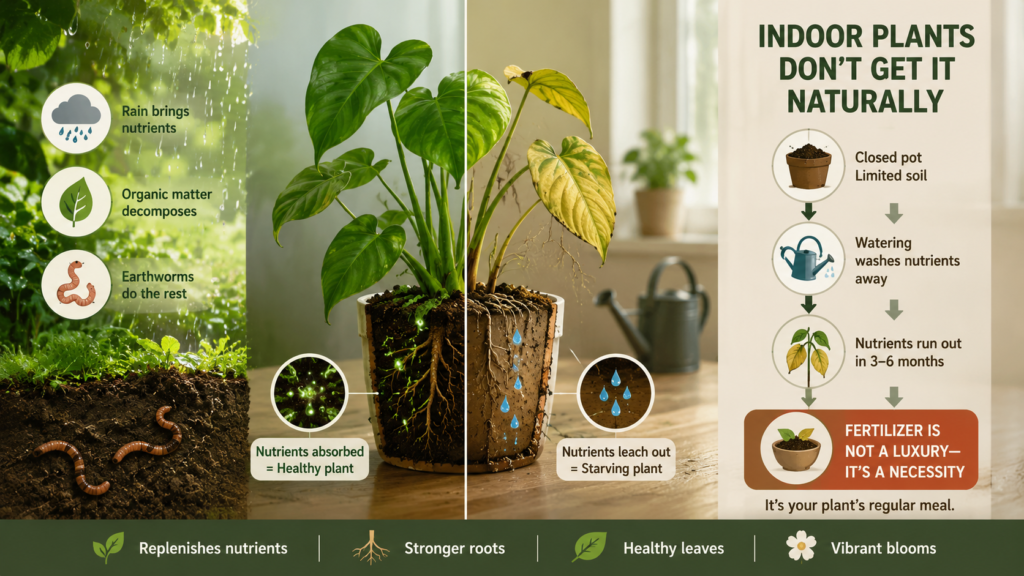
Outdoor plants have it easy. Rain washes in nutrients, organic matter decomposes into the soil, and earthworms do the rest. Indoor plants have none of that.
They live in a closed, finite pot of soil — and every time you water, nutrients leach out. Most standard potting mixes run completely dry of nutrients within 3 to 6 months. After that, your plant is surviving on near-empty reserves.
This is why houseplant fertilizer isn’t a luxury — it’s a necessity. Think of it as your plant’s regular meal. Without it, even the best-positioned, best-watered plant will slowly decline.
Bottom line: Fertilizer replenishes what the soil loses over time, fueling healthy leaves, strong roots, and vibrant blooms. Now, let’s see what’s inside fertilizer and how each nutrient helps your plants thrive.
What Do Plants Actually Eat? The NPK Breakdown
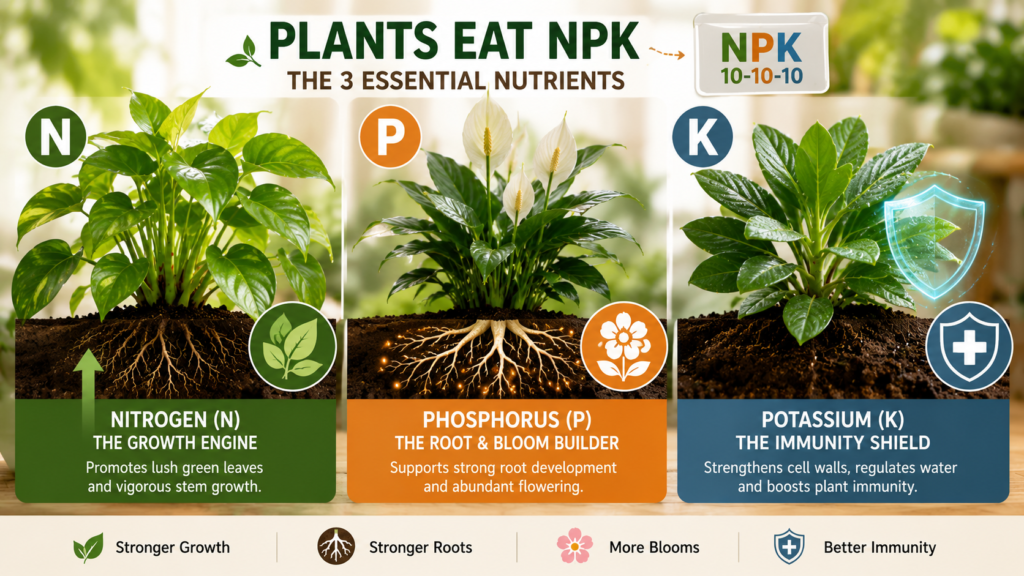
Before picking up any fertilizer, you need to understand the three core nutrients plants depend on — commonly shown as an NPK ratio on every fertilizer label.
🟢 Nitrogen (N) — The Growth Engine
Nitrogen is responsible for lush, green foliage and vigorous stem growth. A plant deficient in nitrogen will look pale, yellow, and weak. If you want full, bushy leaves, a good plant fertilizer with nitrogen is your go-to.
🟠 Phosphorus (P) — The Root & Bloom Builder
Phosphorus plays a key role in plant fertilizer for indoor plants, helping strengthen roots, support healthy flowering, and improve overall plant growth. It’s especially critical for blooming plants like Peace Lilies and African Violets.
🔵 Potassium (K) — The Immunity Shield
Potassium regulates water movement, strengthens cell walls, and boosts overall plant immunity. It’s the nutrient that keeps your plant resilient against disease and stress.
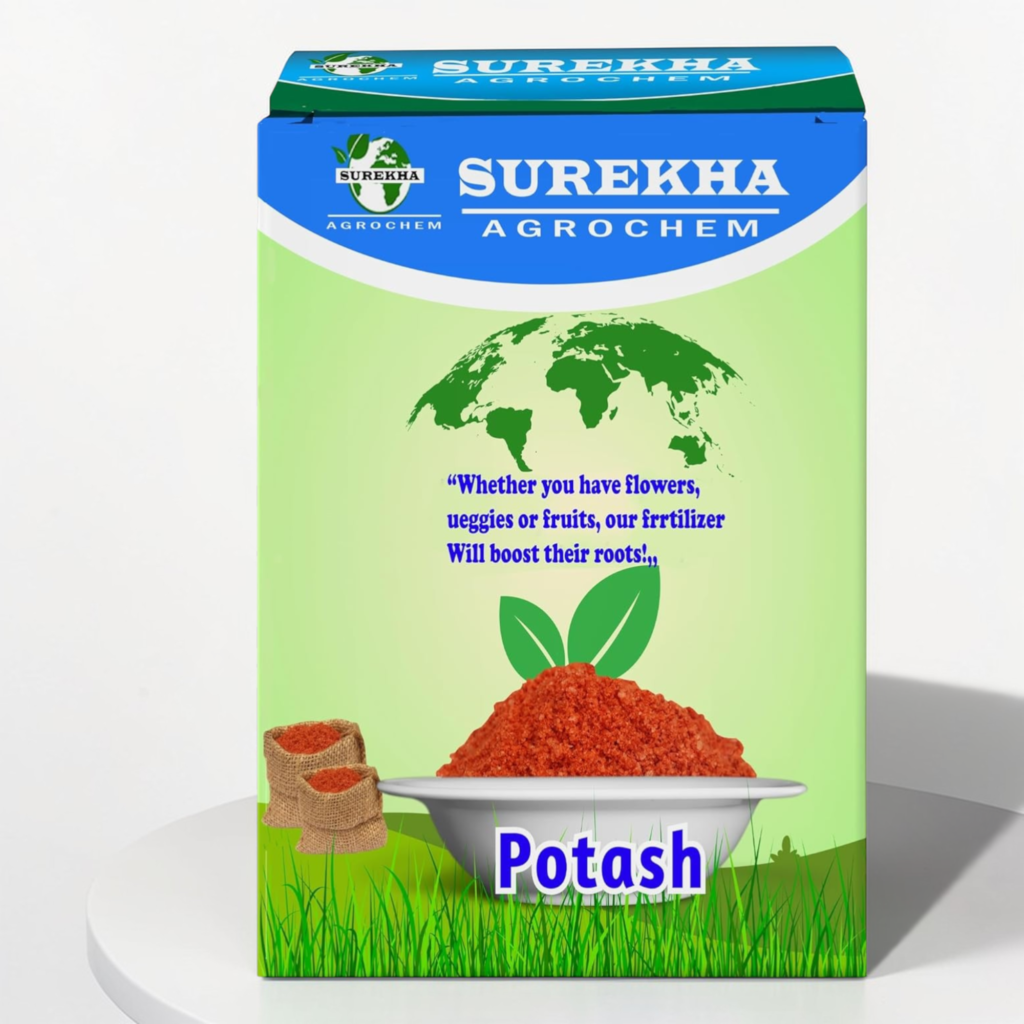
🛒 Power up your plants with Potassium: Our Premium Professional Grade Potash Fertilizer delivers a high-quality potassium boost that strengthens indoor plants from the roots up.
🔹 Don’t Forget Micronutrients
Beyond NPK, plants also need Magnesium, Calcium, Iron, and Sulfur in smaller quantities. Magnesium deficiency, for example, causes yellowing between leaf veins — a telltale sign that’s often mistaken for overwatering.
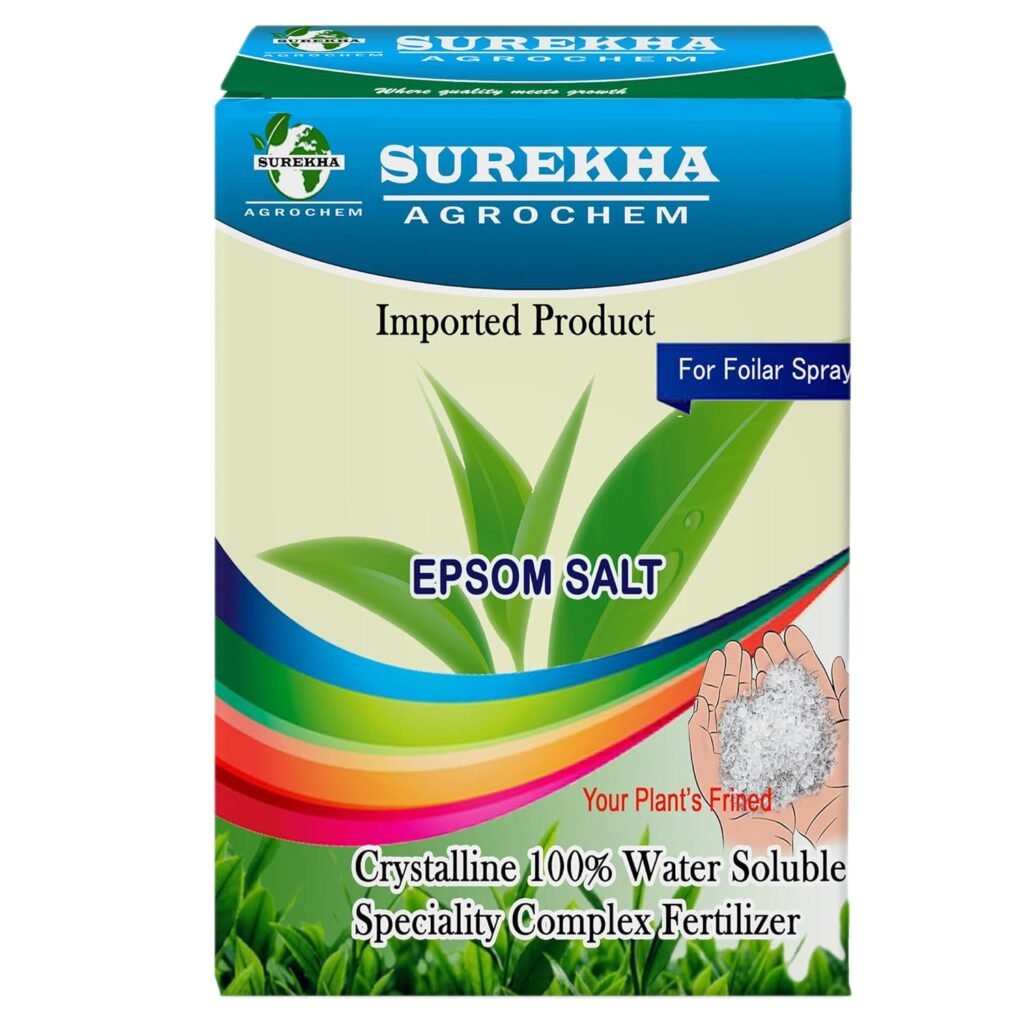
🛒 Quick fix for magnesium deficiency: Epsom Salt for Plants is an affordable, natural source of magnesium and sulfur — perfect for reviving dull, tired-looking houseplants.
How to read an NPK label:
A label that reads 10-10-10 means equal parts N, P, and K — a balanced, all-purpose feed. A label reading 30-10-10 is nitrogen-rich, ideal for leafy plants.
A Complete Guide to Fertilizer Types — Pick What Works for You
Not all fertilizers are created equal. Here’s what’s available and when to use each:
| Fertilizer Type | Form | Best For | Frequency |
| Liquid Fertilizer | Liquid (dilute in water) | Fast-acting results, all plants | Every 2–4 weeks |
| Slow-Release Granules | Pellets/granules | Low-maintenance growers | Every 3–6 months |
| Fertilizer Sticks | Push-in sticks | Absolute beginners | Every 2 months |
| Water-Soluble Powder | Dissolve in water | Controlled, precise feeding | Every 2–4 weeks |
| Organic/Compost-Based | Natural material | Eco-conscious plant parents | Monthly |
Popular market options: Osmocote (slow-release), Miracle-Gro (liquid/powder), Schultz (liquid), and Grow Big by FoxFarm are widely trusted houseplant fertilizer choices for beginners.
Feed Your Plants the Natural Way — DIY Fertilizer Alternatives
Prefer a plant fertilizer natural approach? Your kitchen is already full of plant food. Here are the best homemade alternatives:
- 🍌 Banana Peel Water — Soak peels in water for 24–48 hours. High in potassium, great for flowering plants
- ☕ Used Coffee Grounds — Mix into topsoil for a nitrogen boost. Best for acid-loving plants like ferns
- 🥚 Crushed Eggshells — Slow-release calcium source. Crumble into soil or steep in water
- 🌱 Compost Tea — Steep compost in water overnight, strain, and use as a liquid plant food diet
- 🪱 Worm Castings (Vermicompost) — The gold standard of organic indoor plant feed. Mix into potting soil or brew as a tea
🛒 For a ready-made, natural magnesium supplement: Epsom Salt for Plants dissolves easily in water and can be used as a natural foliar spray or soil drench — no mixing required.
Is Your Plant Trying to Tell You Something? Signs It Needs Fertilizer
Your plant speaks through its leaves. Here’s how to decode the distress signals:
| Symptom | Likely Deficiency |
| 🟡 Yellowing older leaves | Nitrogen (N) |
| 🌿 Pale, washed-out leaf color | General nutrient depletion |
| 🐌 Stunted or very slow growth | Phosphorus (P) or overall low nutrients |
| 🌸 No flowers despite good light | Phosphorus (P) deficiency |
| 🍂 Yellowing between leaf veins | Magnesium deficiency |
| 🌱 Leggy, weak stems | Nitrogen (N) or light + nutrient imbalance |
If your plant shows two or more of these signs, it’s time to revisit your plant fertilizer for indoor plants routine.
The Seasonal Feeding Calendar — When to Fertilize (and When to Stop)
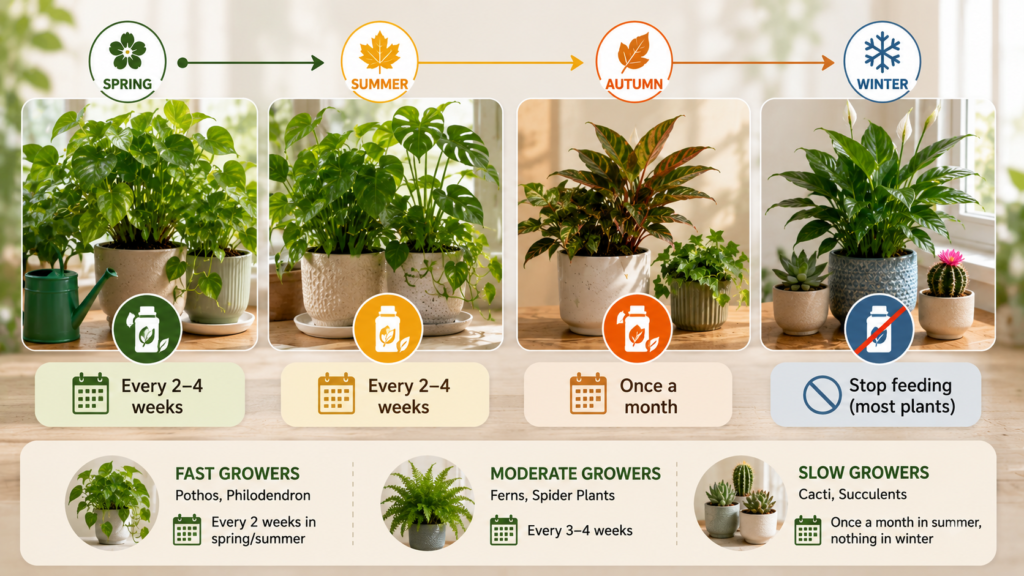
Timing is just as important as choosing the right plant fertilizer for indoor plants. Most indoor plants follow a natural growth cycle influenced by seasonal changes in light and temperature.
🌸 Spring & Summer — Peak Feeding Season
This is when most houseplants are actively growing. Fertilize every 2 to 4 weeks with a balanced or growth-boosting formula. This is when a nitrogen-rich plant fertilizer for growth delivers the best results.
🍂 Autumn — Wind It Down
As days get shorter, plants slow their growth. Reduce feeding frequency to once a month, then taper off entirely as winter approaches.
❄️ Winter — Press Pause (Mostly)
This is the most misunderstood season for plant feeding. In winter, most indoor plants go semi-dormant — they’re not growing much, so they don’t need food. Fertilizing in winter can actually cause more harm than good, leading to fertilizer burn or toxic salt buildup.
Exceptions: Tropical plants near grow lights, winter bloomers like the Christmas Cactus, and succulents under bright artificial lighting can still benefit from a light monthly application of plant fertilizer for indoor plants.
How often to fertilize, at a glance:
- Fast-growing plants (Pothos, Philodendron): Every 2 weeks in spring/summer
- Moderate growers (Ferns, Spider Plants): Every 3–4 weeks
- Slow growers (Cacti, Succulents): Once a month in summer, nothing in winter
How to Fertilize Like a Pro — Step-by-Step for Beginners
Follow this simple plant fertilization process to feed your plants safely and effectively:
- Choose the right fertilizer type for your plant (refer to the table above)
- Check soil moisture — always fertilize moist soil, never bone-dry soil (it can burn roots)
- Dilute to half-strength for liquid fertilizers — beginners always go gentler
- Apply evenly around the base of the plant, keeping fertilizer off the leaves
- Water lightly after applying granules to help absorption
- Observe for 1–2 weeks — healthy new growth means it’s working
💡 Pro tip: If using Grow Big or any concentrated liquid formula, always start at 25–50% of the recommended dose until you understand how your plant responds.
Match the Fertilizer to the Plant — Quick Reference Guide
Different plants have different nutritional needs. Here’s a simple cheat sheet:
| Plant Type | Best Fertilizer | Key Nutrient to Prioritize |
| Leafy plants (Pothos, Philodendron) | High-nitrogen liquid | N |
| Flowering plants (Peace Lily, Violet) | Bloom booster (high P) | P |
| Succulents & Cacti | Diluted balanced, low-N | K |
| Ferns & Tropical plants | Balanced NPK (10-10-10) | N-P-K |
| Indoor herbs (Basil, Mint) | Organic/compost-based | N |
🛒 Growing flowering or fruiting indoor plants? Our Potash Fertilizer is specifically formulated to boost flower and fruit development — a go-to choice for serious indoor gardeners.
When Feeding Goes Wrong — The Over-Fertilizing Trap
More is not better when it comes to plant fertilizer for indoor plants. Over-fertilizing is one of the most common beginner mistakes — and the damage can be serious.
Warning Signs of Over-Fertilization:
- 🤍 White crust forming on the topsoil (salt buildup)
- 🍂 Brown, crispy leaf tips (fertilizer burn)
- 🥀 Wilting despite regular watering
- 🌱 Roots turning brown and mushy
How to Fix It:
- Flush the soil — pour water through the pot several times to leach out excess salts
- Repot in fresh potting mix if the damage is severe
- Stop all feeding for at least 4–6 weeks and let the plant recover
Top 5 Beginner Mistakes to Avoid:
- ❌ Fertilizing in winter when the plant is dormant
- ❌ Feeding a stressed, sick, or freshly repotted plant
- ❌ Using full-strength doses straight from the bottle
- ❌ Applying fertilizer to completely dry soil
- ❌ Using outdoor fertilizer dosages on delicate indoor plants
Expert Tips to Get the Most Out of Every Feed
- ☀️ Light affects how much fertilizer a plant needs — a plant in low light absorbs fewer nutrients, so fertilize less frequently
- 🌅 Feed in the morning when plants are most metabolically active
- 🌡️ Always use room-temperature water when mixing liquid fertilizers — cold water can shock roots
- 🔄 Rotate your plant after feeding to ensure even growth as it reaches for light
- 📓 Keep a feeding journal — note the date, fertilizer type, and dose. It removes all the guesswork after a few cycles
- ✅ Golden rule: when in doubt, underfeed. A slightly hungry plant recovers fast; an over-fertilized one takes weeks
🌿 Now that you know how to feed your plants, make sure you’ve chosen the right ones to start with: How to Choose Your First Indoor Plant — a beginner-friendly guide to picking plants that actually thrive in your space.
Conclusion: Feed Smart, Grow Happy
Indoor plants don’t ask for much — but they do need a steady supply of nutrients to truly thrive. Now that you understand the plant fertilizer for indoor plants basics — from NPK ratios to seasonal schedules, natural alternatives to common mistakes — you’re fully equipped to take your plant care to the next level.
Start simple. Pick one fertilizer, stick to a schedule, and watch your plants respond. You’ll be amazed at the difference consistent feeding makes.
🛒 Ready to shop trusted, professional-grade plant nutrition? Browse the complete Surekha Agro Products range — used and loved by thousands of home gardeners across India:
❓ Frequently Asked Questions (FAQs)
Q1. Do indoor plants really need fertilizer if I use good potting soil?
Yes. Even the best potting mix depletes its nutrients within 3–6 months of regular watering. After that, without added plant fertilizer for indoor plants, growth slows, and leaves begin to pale or yellow.
Q2. Can I use outdoor fertilizer on my indoor plants?
You can, but with caution. Outdoor fertilizers are often much more concentrated. Always dilute to at least half-strength — and ideally choose a formula specifically designed as a houseplant fertilizer for more predictable results.
Q3. Is Epsom salt a good fertilizer for houseplants?
Epsom salt is not a complete fertilizer — it doesn’t replace NPK. However, it’s an excellent natural source of magnesium and sulfur, making it ideal for treating yellowing leaves or reviving dull-looking foliage. It works best as a supplement alongside your regular plant fertilizer for indoor plants routine.
Q4. How do I know if I’m over-fertilizing?
Look out for white crusty residue on the soil surface, brown or crispy leaf tips, and wilting despite regular watering. These are classic signs of fertilizer burn or salt toxicity. Flush the soil thoroughly with plain water and pause feeding for 4–6 weeks.
Q5. What is the best natural fertilizer for indoor plants?
Worm castings (vermicompost) are considered the best all-round organic option. Banana peel water, compost tea, and coffee grounds are also great plant fertilizer natural alternatives for specific nutrient needs. For magnesium, Epsom salt dissolved in water is hard to beat.
Q6. Should I fertilize a newly repotted plant?
No — wait at least 4 to 6 weeks after repotting before fertilizing. Fresh potting mix already contains nutrients, and a plant that’s just been repotted is under stress. Adding fertilizer too soon can damage delicate new roots.
Q7. What does NPK mean on a fertilizer label?
NPK stands for Nitrogen (N), Phosphorus (P), and Potassium (K) — the three primary macronutrients plants need. The numbers on the label (e.g., 10-10-10) represent the percentage of each nutrient in the fertilizer by weight.
Q8. Can I make my own plant fertilizer at home?
Absolutely. Coffee grounds (nitrogen), banana peel water (potassium), crushed eggshells (calcium), and compost tea (balanced nutrients) are all effective homemade alternatives. They’re slower-acting than commercial options but completely safe and eco-friendly for your plant food diet.
Feed Stronger Roots & Greener Leaves with Epsom Salt and Potash Fertilizer
Recommended products
-
Premium Water-Soluble Potash Fertilizer — High-Potassium Boost for Flowering & Fruiting | 1kg · 2kg · 5kg
Price range: ₹199.00 through ₹799.00 -
Surekha Epsom Salt — Plant Booster for Faster Growth | 1kg · 2kg · 5kg
Price range: ₹199.00 through ₹599.00
© Surekha Agro Products | Growing Better Together 🌿