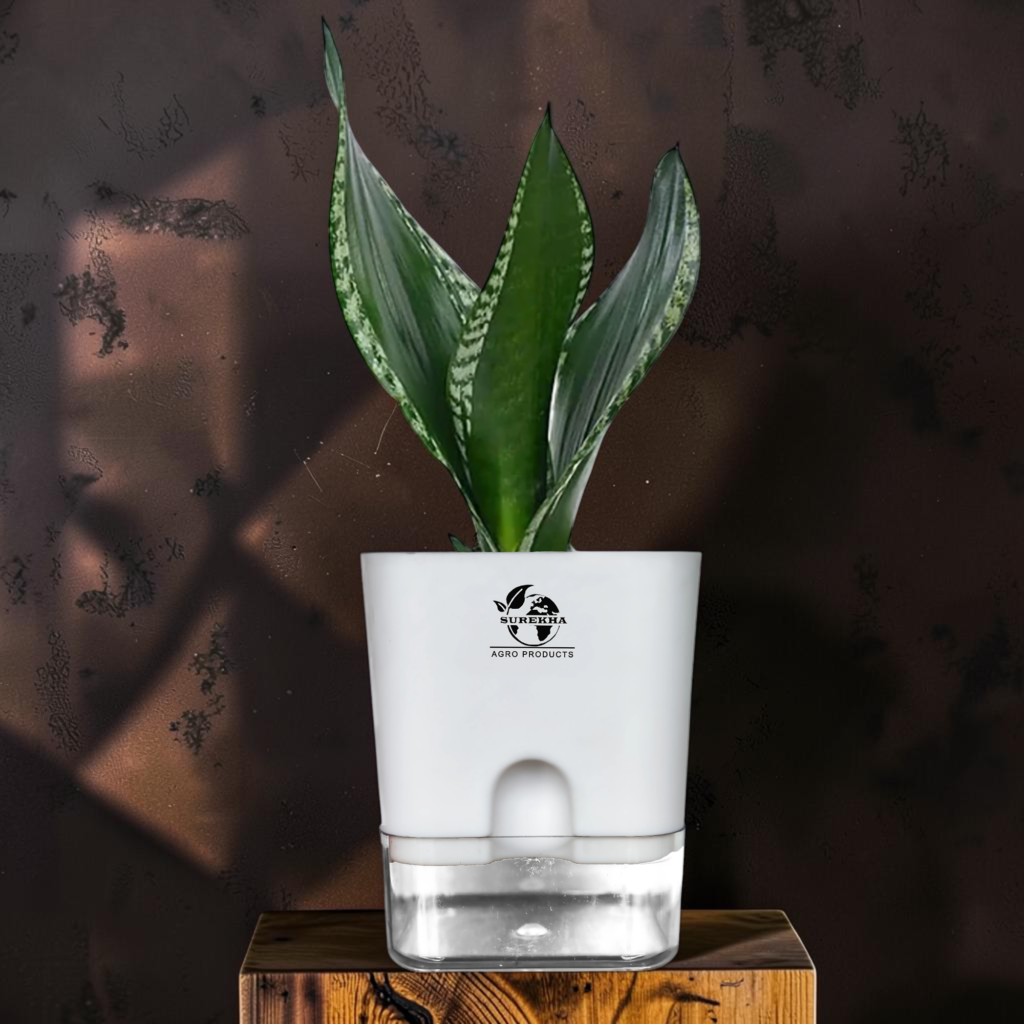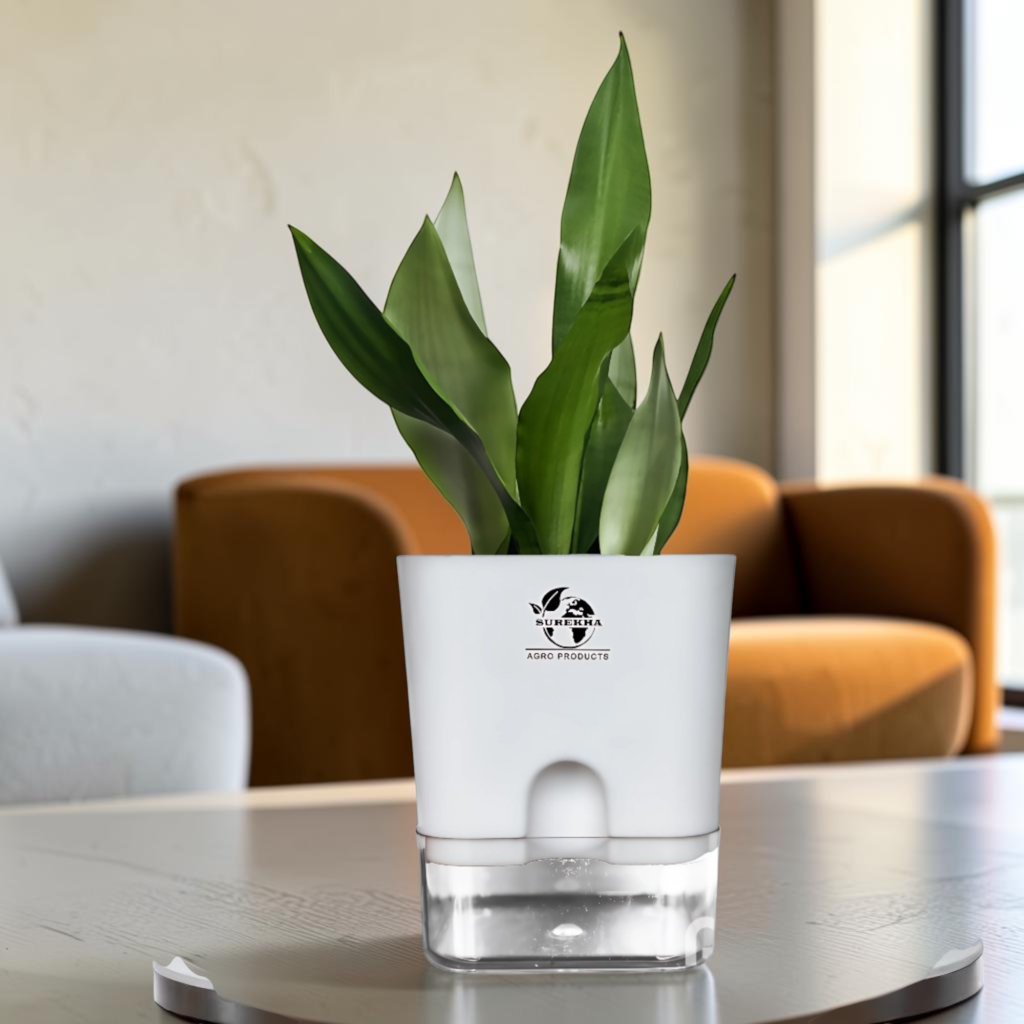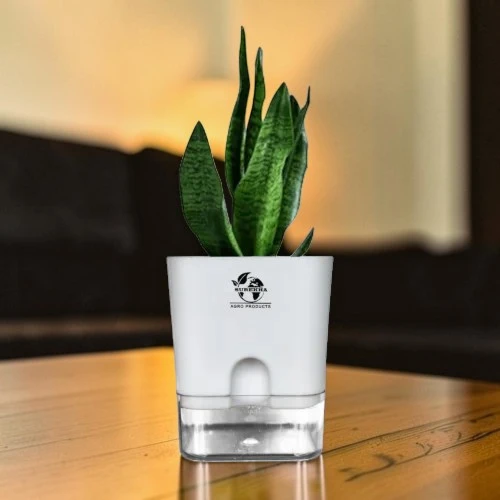
Snake plant care is surprisingly simple, which makes this plant a favourite in homes across India. Known for its resilience, the snake plant thrives in a variety of indoor conditions—from low-light corners to bright balconies—and requires minimal attention. It can tolerate irregular watering, adapt to changing weather, and still maintain its striking upright leaves. Whether you are a beginner or a busy plant lover, mastering snake plant care is easy and rewarding.
Ready to transform your indoor space with minimal effort? With proper snake plant care, this resilient plant—beloved across India—thrives even on neglect and is one of the easiest houseplants you’ll ever grow. It endures heat, low light, and missed waterings far better than most, which is why it’s a favourite in Indian apartments, offices, balconies, and living rooms. This guide gives you all you need for snake plant success—from light, water, and soil to expert tips, propagation, and solutions to common issues.
Quick Care Summary
| Care factor | Best practice |
|---|---|
| Light | Bright indirect light; tolerates low light |
| Water | Only when soil is fully dry |
| Soil | Fast-draining cactus/succulent mix |
| Pot | Terracotta with drainage holes |
| Temperature | 18°C to 35°C |
| Fertilizer | Light feeding in spring and summer |
| Repotting | Every 2–3 years |
Why every Indian home needs a snake plant
The snake plant is often called a “forgiving” plant, and for good reason. It suits busy lifestyles, changing weather conditions, and indoor spaces that often lack attention. One major reason people love it is its reputation as an air-purifying plant. It is often linked with the NASA Clean Air Study because it can help improve indoor air quality by reducing certain pollutants. It also follows a CAM photosynthesis pattern, which means it releases oxygen at night, not just during the day.
For Indian homes, this matters because snake plant care is easy—the plant can handle hot summers, humid monsoons, and even occasional missed watering. It requires minimal attention, making it ideal for first-time plant parents, busy professionals, and frequent travellers. In many Indian households, it is also valued for Vastu and décor purposes. While there are many beliefs surrounding snake plants, the most practical approach is to place them in a bright corner, near a window, or in a room with an east- or north-facing orientation, if that suits your space.

Popular snake plant varieties for India
Not all snake plants look the same. Some are tall and bold, while others stay compact and neat. Choosing the right variety can make a big difference, especially if you are working with a small apartment or a bright balcony.
| Variety | Size | Light needs | Best for |
|---|---|---|---|
| Laurentii | Medium to tall | Bright indirect light | Living room, bedroom |
| Hahnii (Bird’s Nest) | Compact | Low to bright indirect light | Tabletop, shelf, desk |
| Cylindrical | Tall, sculptural | Bright indirect light | Modern interiors |
| Moonshine | Medium | Bright filtered light | Stylish indoor display |
| Twisted Sister | Compact | Bright indirect light | Small apartments |
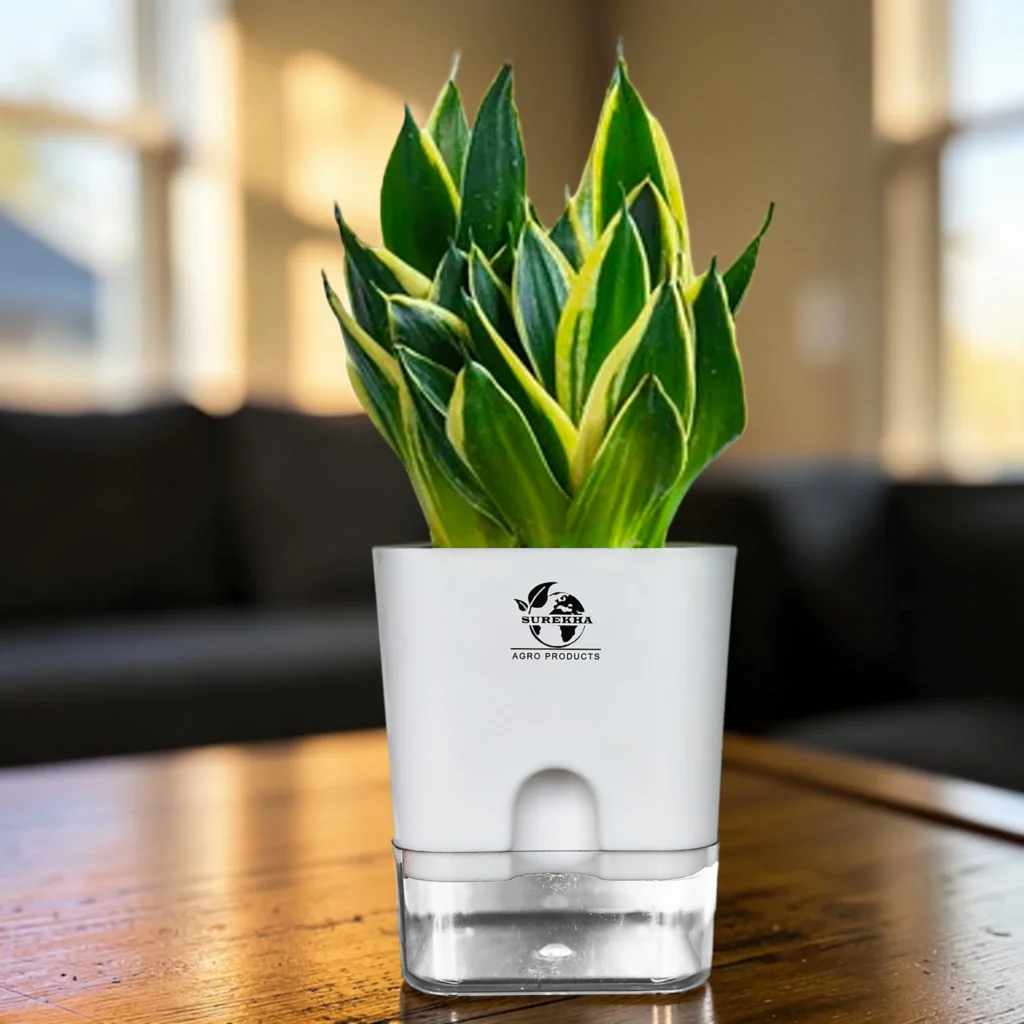
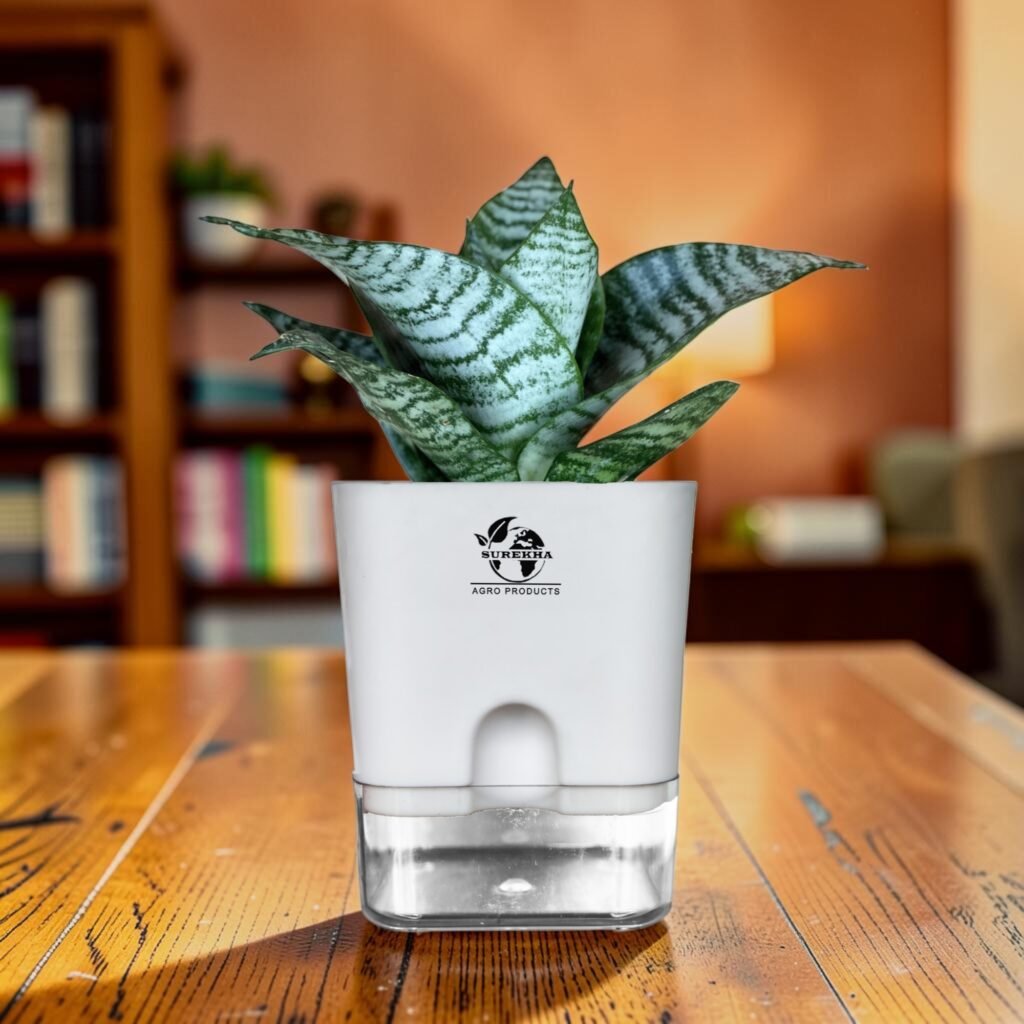
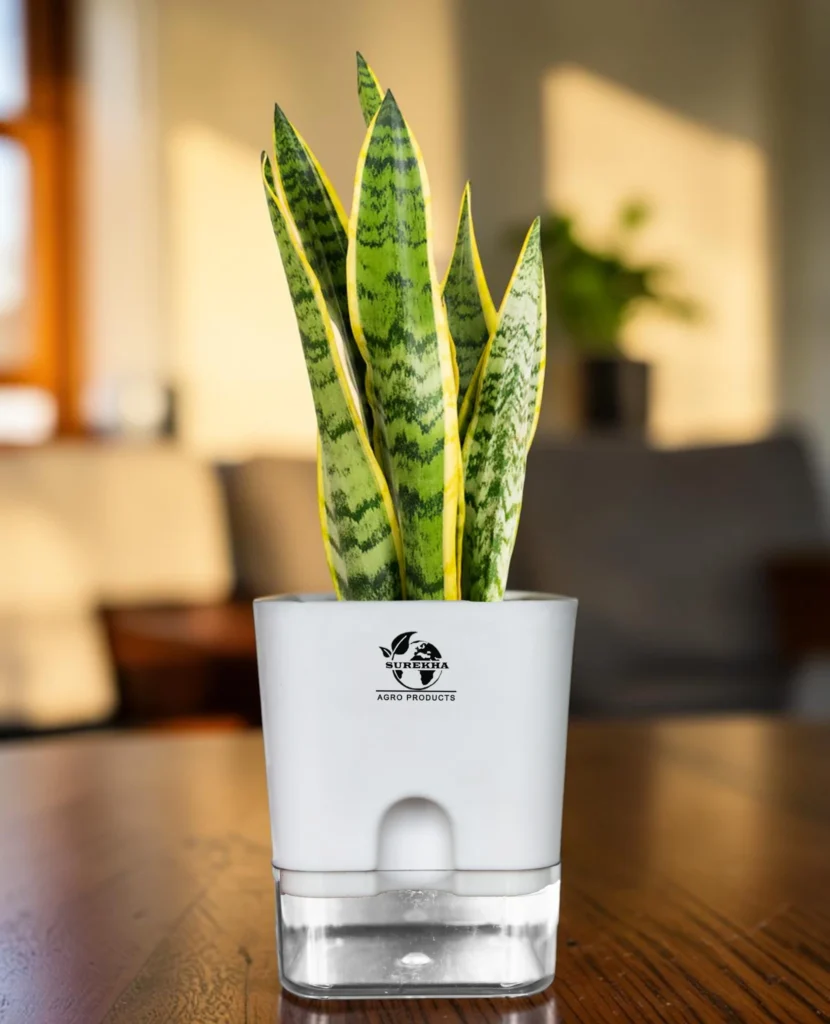
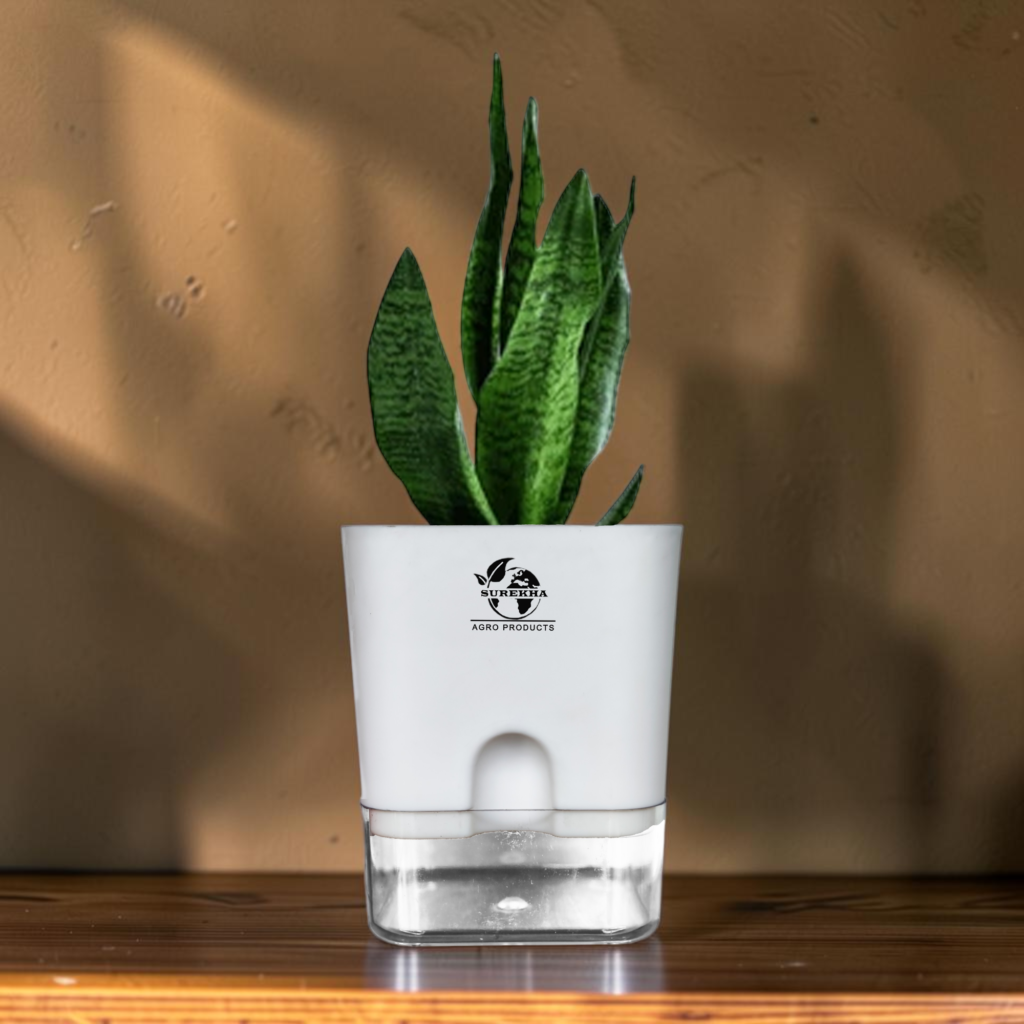
Laurentii is the most common variety in India because it is easy to find and has attractive yellow edges. Hahnii is a great choice if you want a smaller plant for shelves or office desks. Choosing the right variety also plays a role in your indoor aesthetic, especially when it comes to snake plant care. Cylindrica offers a modern, architectural look, while Moonshine stands out with its silvery-green leaves. If you are buying from local nurseries or online plant stores in India, prices can vary depending on size and variety, usually starting from affordable small pots and increasing for more mature plants.
How to care for a snake plant in India
This is the heart of snake plant care, and thankfully, it’s not complicated. The key to successful snake plant care is avoiding overdoing things—snake plants actually prefer a bit of neglect rather than too much attention.
Soil and potting
The best soil for snake plants in India is a well-draining mix. A cactus or succulent potting mix works well, but you can also make your own by mixing garden soil, coarse sand, and perlite. The idea is to keep the roots airy and dry rather than soggy. In Indian gardens, heavy red soil or dense potting soil often holds too much water, which can lead to root rot.
Terracotta pots usually work better than plastic because they allow soil to dry faster. This is especially helpful in India’s humid cities and during the monsoon. Whichever pot you select, be sure it has drainage holes. That detail saves more snake plants than almost any other.
Sunlight
When it comes to snake plant care, these plants can tolerate low light but won’t thrive in complete darkness. They grow best in bright, indirect sunlight, such as near an east-facing window or a shaded balcony. While they can survive in low-light corners—making them popular in apartments—their growth will be noticeably slower.
In proper snake plant care, managing sunlight is essential. Direct afternoon sun during the Indian summer can scorch the leaves, especially if the plant is suddenly moved outdoors. If you place it on a balcony, provide some protection from harsh rays. As part of good snake plant care, a little morning sun is beneficial, but strong afternoon heat can damage the foliage.
Watering
If there is one mistake that kills snake plants, it is overwatering. Because the plant stores moisture in its leaves, it requires infrequent watering. In the Indian summer, water every 10 to 14 days, but only if the soil has dried completely. During the monsoon, reduce watering significantly—every 3 to 4 weeks may be enough in many homes. In winter, water even less frequently, checking that the soil is fully dry first.
A simple stick test makes snake plant care much more reliable. Insert your finger or a wooden stick into the soil and check the moisture a few inches below the surface. If it still feels damp, wait before watering. In proper snake plant care, you should never water just because the top layer looks dry—that’s how root rot begins. Also, avoid letting the pot sit in a water-filled tray, as excess moisture can damage the roots.
Fertilizing
Snake plants are light feeders, making snake plant care simple and beginner-friendly. They require minimal fertiliser, and overfeeding can actually harm the plant. For proper snake plant care, use a balanced fertiliser like 10-10-10 or a diluted liquid feed once a month during the growing season. In India, spring through early autumn is the best time for feeding, while fertilising should be stopped in winter when growth naturally slows down.
Temperature and humidity
Snake plants adapt well to typical indoor conditions, making snake plant care simple for most homes. They thrive in temperatures between 18°C and 35°C, which suits most Indian climates. They can easily tolerate warm, humid cities like Kolkata, Chennai, Mumbai, and other coastal regions. However, as part of proper snake plant care, it’s important to protect them from prolonged cold. In North India, keep them away from freezing winter draughts to prevent damage.
Seasonal care tips for Indian gardeners
Snake plant care in India changes a little with the seasons. You do not need a complicated routine, but seasonal awareness helps.
| Season | Care tips |
|---|---|
| Summer (March–June) | Give light shade from harsh afternoon sun and water only when dry |
| Monsoon (July–September) | Reduce watering, improve airflow, and watch for root rot |
| Post-monsoon (October–November) | Resume normal care and check whether repotting is needed |
| Winter (December–February) | Water sparingly, avoid fertiliser, and protect from cold draughts. |
In dry North Indian winters, the air can be harsh, so the plant may need slightly more attention to leaf health, but still not much water. In humid South Indian and coastal climates, the main challenge is not dryness but excess moisture, so drainage is everything.
How to propagate a snake plant
Propagation is one of the most satisfying parts of snake plant care. Once your plant becomes healthy and mature, it may produce offsets or pups around the base. These can be separated and grown into new plants.
Leaf cuttings in water
This method is popular because it is simple and fun to watch. Cut a healthy leaf into sections and place the bottom end in clean water. Change the water regularly and keep it in bright indirect light. Roots may appear in a few weeks, though it can take longer depending on temperature and season.
Leaf cuttings in soil
This is often more reliable if you want the new plant to settle directly into the soil. Insert the cutting into a dry, well-draining mix and water lightly only after some time. This method is slower, but it reduces the shock of moving a rooted cutting from water to soil.
Division of pups
This is the easiest and fastest method. Remove the plant from its pot and gently separate the pups with roots attached. Replant them in individual pots with fresh soil. If your snake plant is variegated, division is the best choice because leaf cuttings can sometimes lose the original colour pattern.
Common problems with snake plants and how to fix them
Even though snake plants are hardy, proper snake plant care is still important. They are not completely problem-free, but the good news is that most issues can be easily resolved if you catch them early.
Yellow leaves
Yellow leaves are usually a sign of overwatering. If the soil stays wet too long, roots may begin to rot. Check the pot drainage, reduce watering, and let the soil dry fully before watering again.
Brown tips
Brown tips can happen because of dry indoor air, mineral buildup in tap water, or too much direct sun. If your water is hard, use filtered or RO water, or let tap water sit overnight before using it.
Mushy base or root rot
Pests
Pests like mealybugs can appear in humid conditions, especially when airflow is poor, making snake plant care more challenging. You can wipe them off and treat the plant with neem oil spray. Spider mites are more common in hot, dry weather, while scale insects may also appear and can be removed using a cotton swab dipped in mild alcohol.
Leggy or drooping growth
If the leaves appear stretched or droopy, it’s a sign that proper snake plant care may be lacking in light. Move the plant closer to a bright window and rotate the pot every few weeks to keep growth balanced and healthy.
Tips to keep your snake plant healthy for years
Regular care can significantly enhance the longevity of your snake plant. Wipe the leaves once a month to remove dust, especially if you live in a city with pollution. Rotate the pot every few weeks so one side does not lean toward the light. Repot your plant every 2–3 years, or earlier if you notice roots emerging from the drainage holes. Terracotta is often the best pot material for Indian conditions because it lets excess moisture escape faster. A monthly neem oil spray can also help keep pests away.
Why snake plants are worth bringing home
Snake plants are perfect for people who want a beautiful plant without a demanding routine. They are affordable, space-saving, and fit easily into Indian interiors, making snake plant care a practical choice whether your style is modern, traditional, or somewhere in between. They also make thoughtful gifts for housewarmings, weddings, and festivals. As part of responsible snake plant care, remember that they are mildly toxic if ingested, so keep them out of reach of children and pets.
Conclusion
Snake plant care does not have to be complicated. In fact, the plant’s biggest strength is how easily it fits into everyday life in India. With the right soil, gentle watering, bright indirect light, and seasonal awareness, your snake plant can stay healthy for years. It is one of the best low-maintenance plants in India for beginners and experienced plant lovers alike. Start with one healthy plant, learn its rhythm, and you may soon have a whole collection.
Water only when the soil is fully dry. In summer, that may mean once every 10–14 days, but in monsoon and winter, it should be much less.
Use a fast-draining succulent mix. A blend of garden soil, coarse sand, and perlite also works well.
Yes, they can survive in low light, but they grow best in bright indirect light. Low light is fine for survival, not for fast growth.
Yellow leaves are most often caused by overwatering or poor drainage. Check the roots and reduce watering immediately.
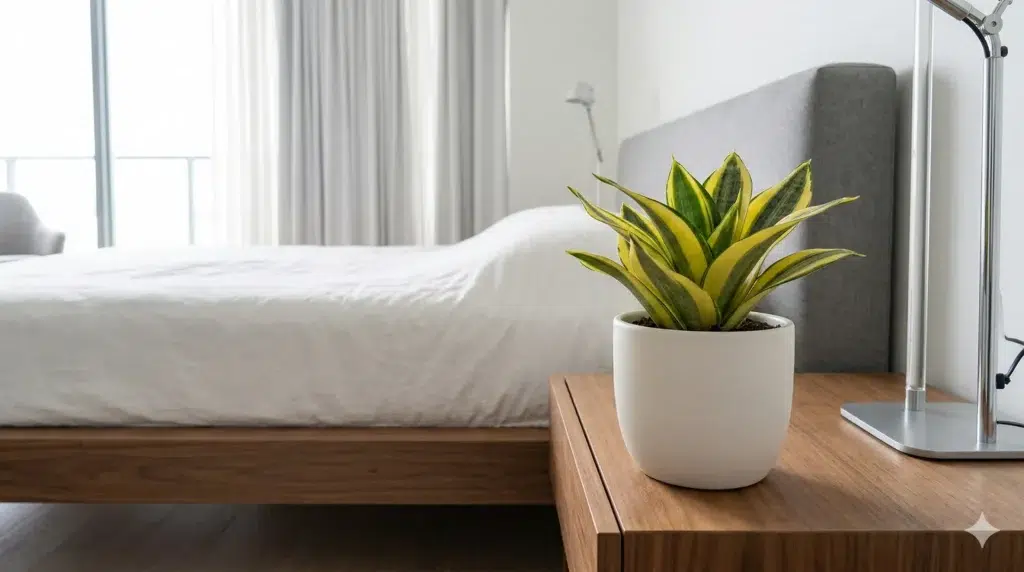
Yes, many people keep it in bedrooms because it is low-maintenance and can handle indoor conditions well. Place it near indirect light if possible.
The easiest way is by dividing pups from the mother plant. Leaf cuttings in water or soil also work, but division is faster and more reliable.
Only lightly. Feed once a month during the growing season with a diluted balanced fertiliser, and skip fertiliser in winter.
Recommended products
-
Surekha Golden Hahnii Snake Plant
Price range: ₹249.00 through ₹399.00 -
Surekha Sansevieria Green Snake Plant
Price range: ₹299.00 through ₹399.00 -
Surekha Sansevieria Laurentii Snake Plant
Price range: ₹249.00 through ₹399.00 -
Surekha Sansevieria Superba Snake Plant
Price range: ₹269.00 through ₹399.00 -
Surekha Sansevieria Whitney Snake Plant
Price range: ₹399.00 through ₹499.00 -
Surekha Silver Hahnii Snake Plant
Price range: ₹299.00 through ₹499.00 -
Surekha snake plant sansevieria zeylanica
Price range: ₹299.00 through ₹399.00