Introduction
Snake plant benefits go far beyond good looks — this is the hardest-working houseplant you’re probably not taking seriously enough. Famous from the NASA Clean Air Study for removing common indoor toxins, it’s a top pick for anyone seeking real snake plant benefits without hassle. In this article, you’ll discover compelling health benefits, reasons it’s indispensable for the bedroom, how Vastu and Feng Shui traditions maximize its value, its profound spiritual symbolism, and simple care and propagation tips. Discover why this resilient green friend should become your top choice for homes, offices, and thoughtful gifts.

Section 1: What Is a Snake Plant? — Plant Description
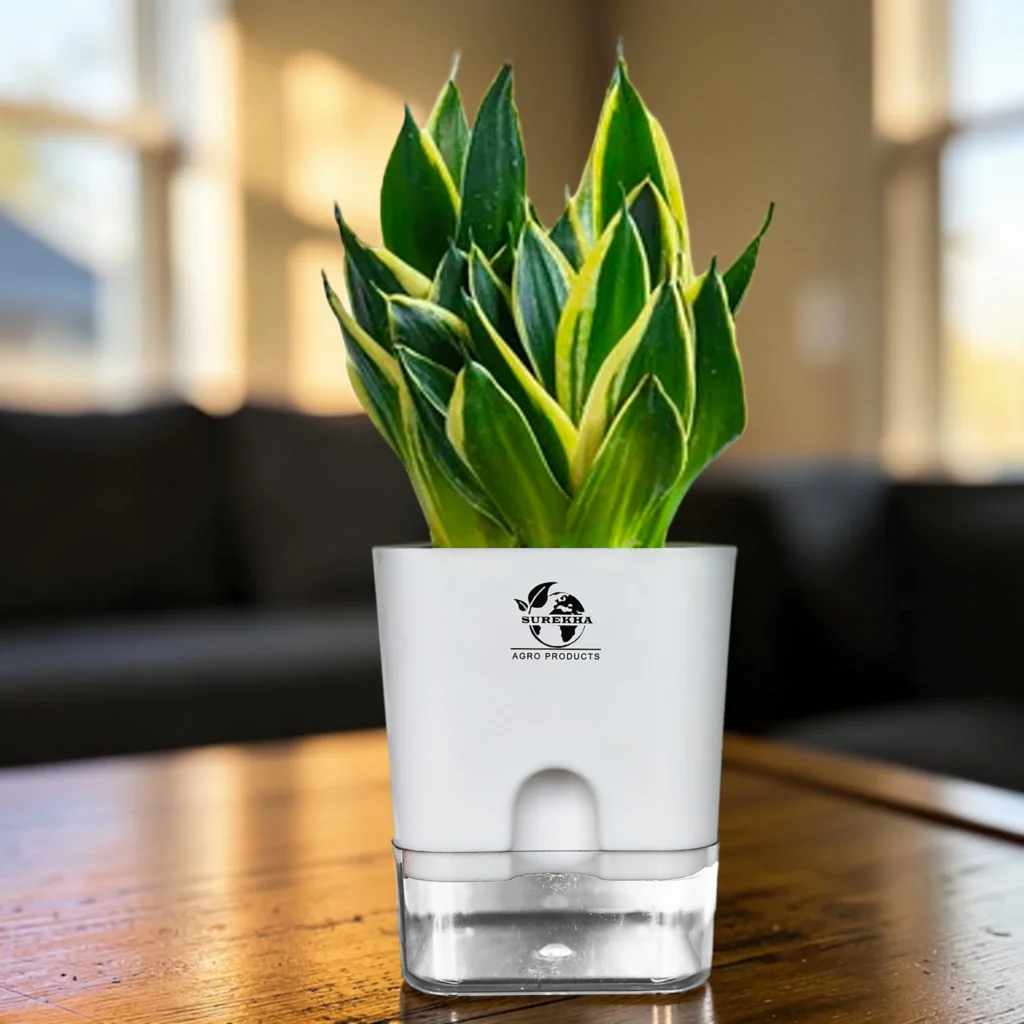
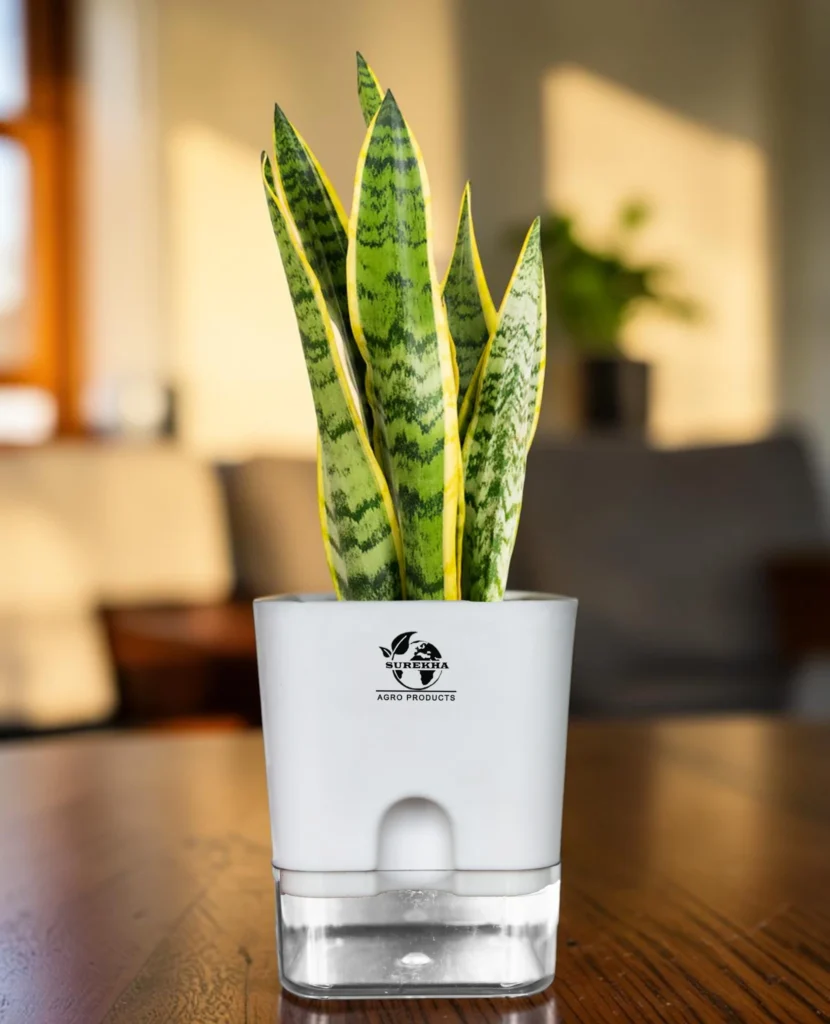
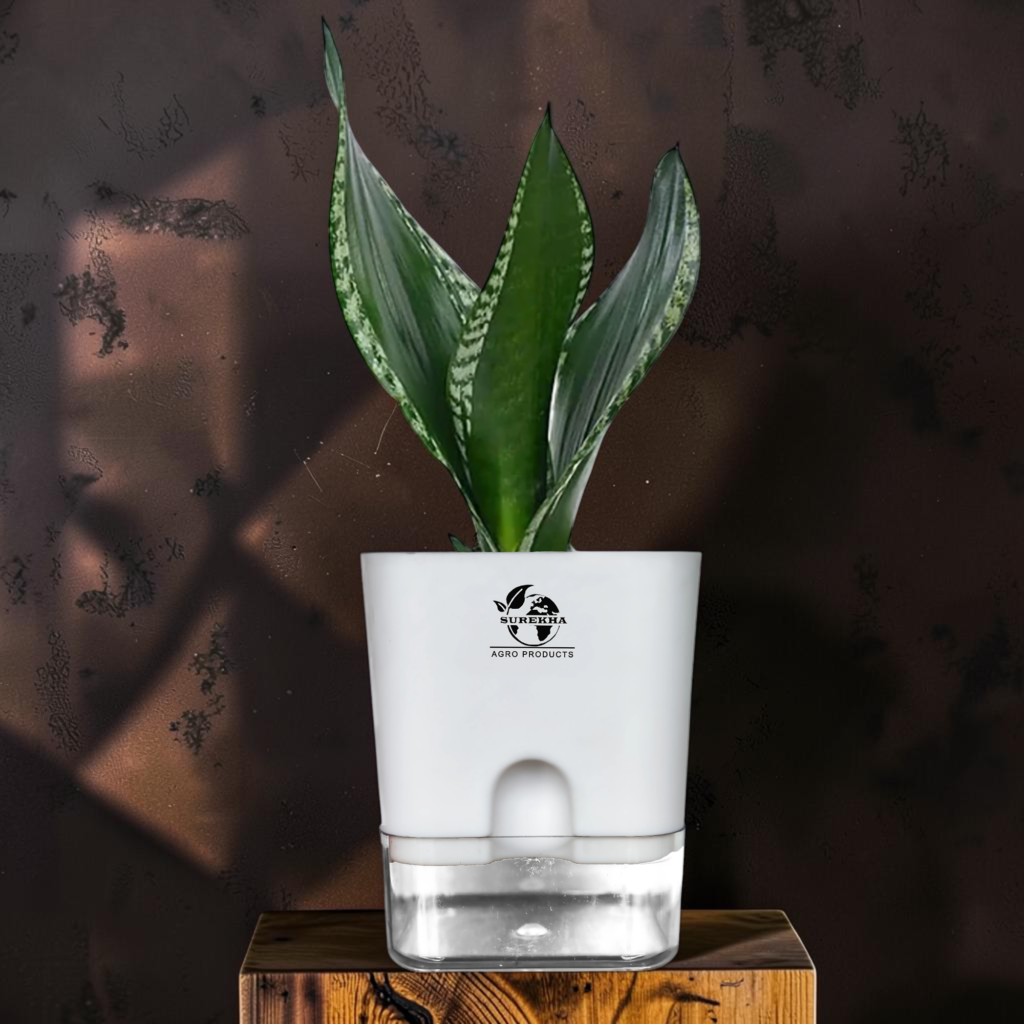
The snake plant — botanical name Dracaena trifasciata (formerly Sansevieria trifasciata) — is also known as Mother-in-Law’s Tongue, Saint George’s Sword, and Viper’s Bowstring Hemp. It is instantly recognisable for its upright, sword-shaped leaves which often feature yellow margins or horizontal banding.
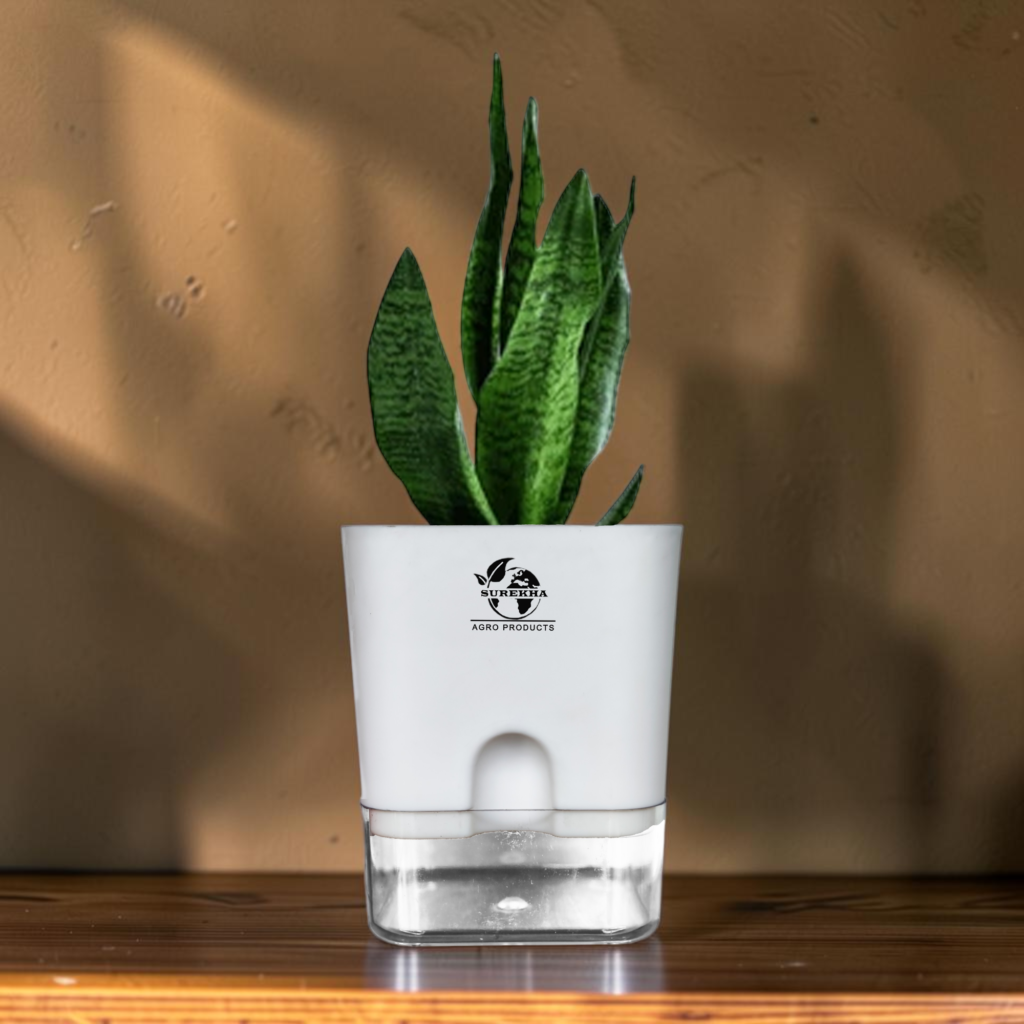
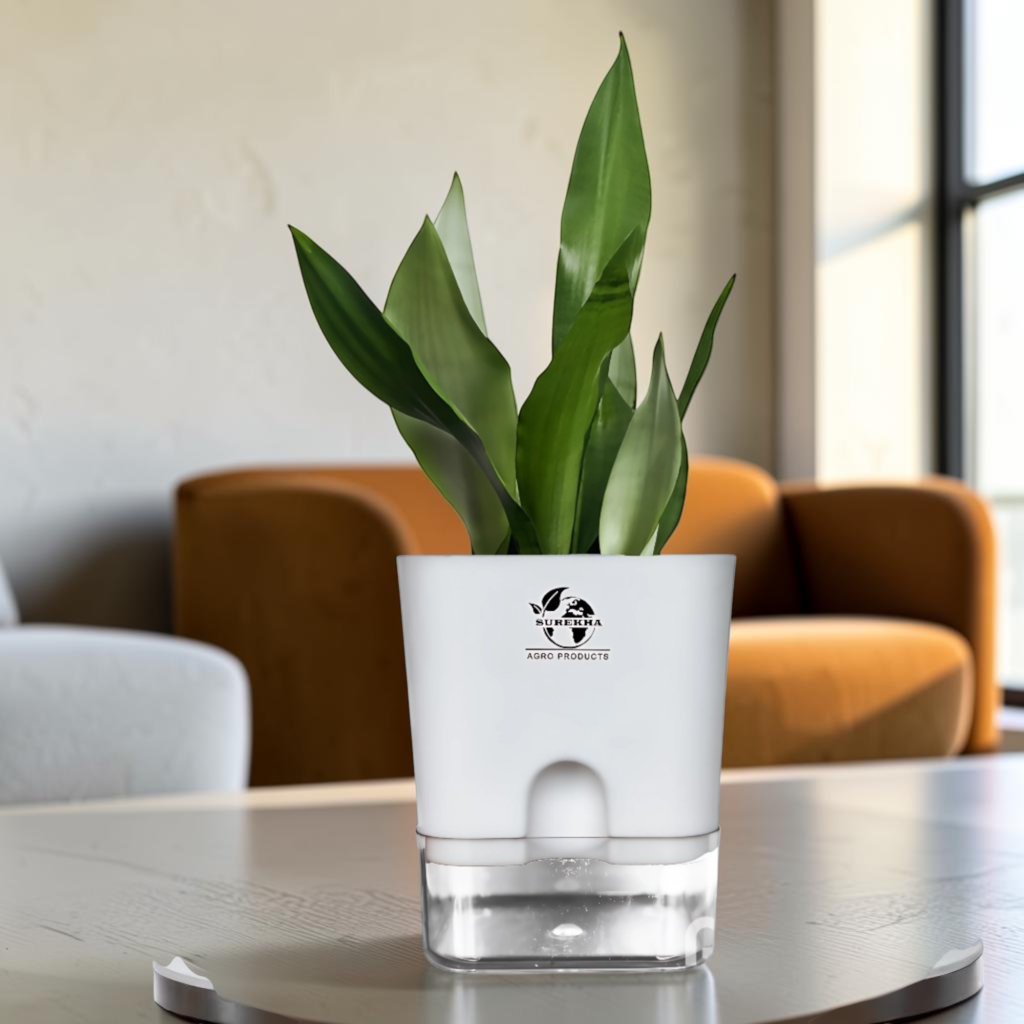
Leaves grow in stiff, vertical rosettes and can reach up to 4 feet tall in mature varieties. Variegated cultivars show creamy yellow edges while others are silver-green, dark green, or almost black. The plant’s architectural form makes it a popular accent for modern, minimalist, Boho, and traditional interiors.
Native to West Africa, snake plants were valued historically for fibre and rope. Today, they stand out among houseplants for being nearly indestructible, tolerant of low light, and extremely drought-resistant — part of why their benefits are widely enjoyed.
Section 2: Origins of the Snake Plant
Snake plants originate from tropical West Africa — regions of present-day Nigeria and the Democratic Republic of the Congo. Local communities used the strong fibres to make ropes, baskets, and bowstrings (hence the name “bowstring hemp”). European plant collectors introduced Sansevieria to botanical gardens in the 18th and 19th centuries, and the plant later spread worldwide via trade and horticulture.
Thanks to its hardiness and sculptural look, the snake plant earns its title as a global houseplant favourite. It belongs in any space—from flats to office lobbies—adding both beauty and practical value wherever you place it. Choosing a snake plant means choosing a universally admired classic.
Section 3: Popular Varieties of Snake Plant
- Dracaena trifasciata ‘Laurentii’ — golden-edged; classic, widely available.
- Dracaena cylindrica — cylindrical leaves; modern, sculptural look.
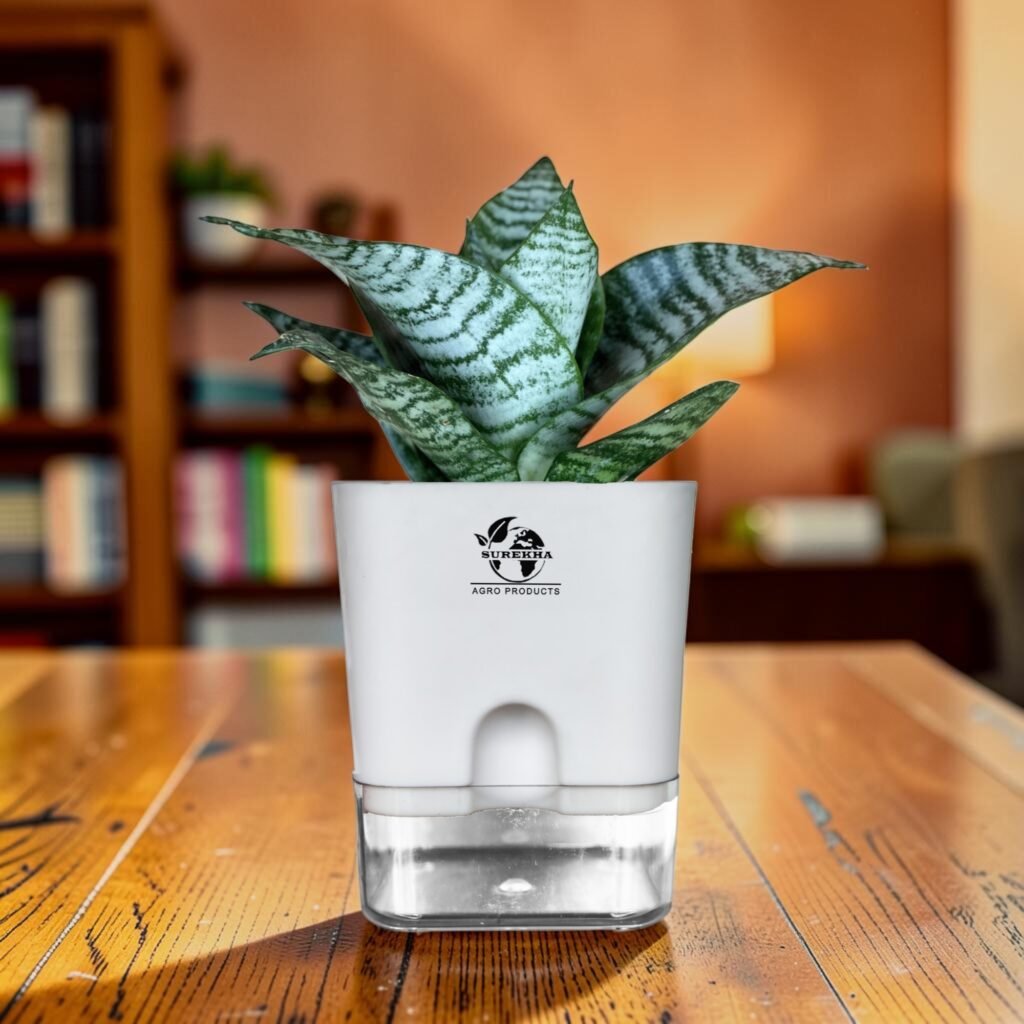
- Dracaena trifasciata ‘Moonshine’ — silvery-green leaves; minimalist vibe.
- Sansevieria hahnii (Bird’s Nest) — compact rosette; perfect for desks.
- Dracaena trifasciata ‘Black Gold’ — dark green with gold margins; dramatic.
Tip: Choose tall, upright varieties for floor statement pieces; pick compact rosette types for desks, shelves, or bedside tables. Consider light levels: lighter-coloured leaves often tolerate lower light, but all varieties prefer bright, indirect light.

Section 4: Top 10 Snake Plant Benefits ⭐
Benefit 1 — Purifies Indoor Air
One of the best-known snake plant benefits is air purification. Studies, including the NASA Clean Air Study, showed snake plants can remove common indoor VOCs (volatile organic compounds) such as benzene, formaldehyde, xylene, and trichloroethylene. Those compounds are emitted by paint, cleaning products, carpeting, and some furniture finishes. While a single plant will not transform a large room, multiple plants and proper ventilation contribute to noticeably fresher air.
Benefit 2 — Releases Oxygen at Night — Snake Plant Benefits in Bedroom
Unlike most plants, snake plants use CAM photosynthesis, which allows them to take in CO₂ at night and release oxygen. That makes the snake plant a smart bedroom choice: it can slightly increase nighttime oxygen and may help with breathing comfort and sleep quality. This is a primary reason many people search “snake plant benefits in bedroom.”
Benefit 3 — Reduces CO₂ Levels Indoors
Indoors, especially in sealed or poorly ventilated rooms, CO₂ can rise and make people feel groggy. Snake plants help by absorbing CO₂ during gas exchange, making them helpful companions in small flats, bedrooms, and home offices.
Benefit 4 — Absorbs Airborne Allergens
The waxy leaves of snake plants trap dust particles and some airborne pollen. While they do not replace HEPA filters, having plants reduces airborne dust settling and can offer relief to mild allergy sufferers.
Benefit 5 — Boosts Mental Health and Reduces Stress
Plants have a calming effect. Studies link indoor greenery to lower cortisol (stress hormone) levels, reduced anxiety, and improved mood. The upright, architectural form of the snake plant gives a sense of order and calm — a small, visual anchor in busy spaces.
Benefit 6 — Improves Focus and Productivity
Researchers have found that offices with plants report higher concentration, fewer errors, and improved creativity. For home workers, placing a snake plant near the desk can improve perceived air quality and help with concentration.
Benefit 7 — Natural Humidity Regulator
Through transpiration, snake plants release moisture slowly, which can help slightly raise humidity in dry environments (air-conditioned rooms or heaters). That can reduce dry eyes, skin irritation, and throat discomfort.
Benefit 8 — Low Maintenance = Low Mental Load
One of the underrated snake plant benefits is psychological: it is virtually worry-free. It tolerates skipped watering, low light, and temperature variation. For busy professionals or frequent travellers, its resilience reduces the “plant guilt” many beginner growers feel.
Benefit 9 — Snake Plant Benefits Feng Shui, Vastu & Spiritual Energy
Culturally, many people value snake plants for more than physical benefits. In Feng Shui, the plant brings upward “yang” energy and is often placed to protect or energize an area. In Vastu Shastra, strategic placement (southeast for prosperity, east for health, north for career) is said to improve balance. More on Vastu and Feng Shui in Section 7.
Benefit 10 — Aesthetic and Decorative Value
Finally, snake plants are striking design elements. Their vertical lines and steady growth complement minimalist, mid-century, Boho, and industrial interiors. They function as a living sculpture that ages well.
Section 5: Health Benefits of Snake Plant
Cleaner air means fewer headaches, less eye irritation, and reduced symptoms of “sick building syndrome.” The snake plant’s ability to filter VOCs and modestly refine indoor air quality contributes to improved respiratory comfort — especially important in bedrooms and home offices. Because snake plants can release oxygen at night, they are often recommended for improving sleep quality and breathing during rest.
Beyond physical effects, the presence of plants supports mental wellness. Daily interaction with greenery — even simply seeing a healthy snake plant — can lower stress and improve mood. Note: Snake plants are not a medical treatment; they complement good ventilation and medical care where needed.
Note: 2019 study in the Journal of Exposure Science found you’d need 10–1,000 plants per square metre to meaningfully filter VOCs in real rooms.
Section 6: Plant Uses Beyond Decoration
Historically, snake plants provided fibres for ropes, baskets, and textiles in West African communities. They have also been used in folk medicine for wound care and topical remedies in some cultures. In warm climates, they serve as drought-tolerant landscape borders. Some people report mild insect-repellent properties when snake plant leaves are used locally, though this is not a replacement for pest control products. In cosmetics, extracts sometimes appear in folk-inspired skin formulations — typically in artisanal or local products.
Section 7: Snake Plant Benefits Feng Shui and Vastu Shastra
Snake plant benefits feng shui: In Feng Shui, the plant is believed to generate upward-moving energy that drives away negative chi. It is commonly placed by entrances, near staircases, or in southeast (wealth) or east (health) zones to energise those areas.
Snake plant benefits Vastu: Vastu alignment often recommends placing a snake plant in the southeast for financial luck, the east for health, or the north for career stability. Avoid placing it directly in bedrooms’ sleeping zones if you strongly follow literal Vastu rules — but many modern practitioners place them near entrances or in corners to create stability.
Whether you are strictly following tradition or simply using these placements as intentional design choices, placing the plant with purpose can increase your sense of well-being and control over your space.
Section 8: Snake Plant Spiritual Benefits
Across cultures, the snake plant carries protective symbolism. In some West African traditions, it is associated with strength and resilience; in parts of Latin America and Brazil, it is linked to Saint George — a symbol of protection and courage. In contemporary spiritual practise, snake plants are often gifted to represent endurance, safeguarding a new home, or supporting personal growth. People who practise intentional placement (rituals, altars, or mindful décor) report that the plant’s presence enhances a feeling of safety and calm — a spiritual benefit that complements its physical perks.
Section 9: Why Snake Plant Is Ideal for Home and Office
Snake plants thrive in fluorescent or artificial lighting, tolerate long periods without water, and withstand temperature swings — features that make them perfect for offices, cubicles, and air-conditioned rooms. Unlike choosy tropical plants, they do not demand constant attention, yet still improve perceived air quality and aesthetics. For small apartments or corporate lobbies, snake plants offer a high-benefit, low-effort solution.
Section 10: How Simple Is the Snake Plant to Grow?
Snake plants are famously forgiving. They tolerate low light, indirect sun, occasional over- or under-watering, and minimal fertilizing. Root rot from overwatering is the most common problem — let the soil dry between watering. Variegated varieties can lose variegation if stressed, but most plants bounce back. This resilience is why snake plants are recommended for beginners, families with kids, or people with busy schedules.
Section 11: Easy Care Tips for Snake Plant
Watering: Every 2–6 weeks, depending on light and season — allow soil to dry completely.
Light: Bright indirect light preferred; tolerates low light (avoid hot, direct afternoon sun).
Soil: Well-draining succulent/cactus mix. Add perlite for faster drainage.
Pot: Terracotta with drainage hole. Avoid decorative pots without drainage unless you use an inner pot.
Temperature: 60–80°F (15–27°C); keep above 50°F (10°C). Protect from frost.
Fertiliser: Balanced liquid fertiliser once a month in spring/summer only. Skip feeding in winter.
Common problems:
- Yellowing leaves → often overwatering.
- Mushy base → root rot (repot, trim rotten roots).
- Brown leaf tips → underwatering, low humidity, or salt build-up.
Short tip: Always check the soil with your finger — if the top 2 inches are dry, it is usually safe to water.
Section 12: How to Propagate a Snake Plant?
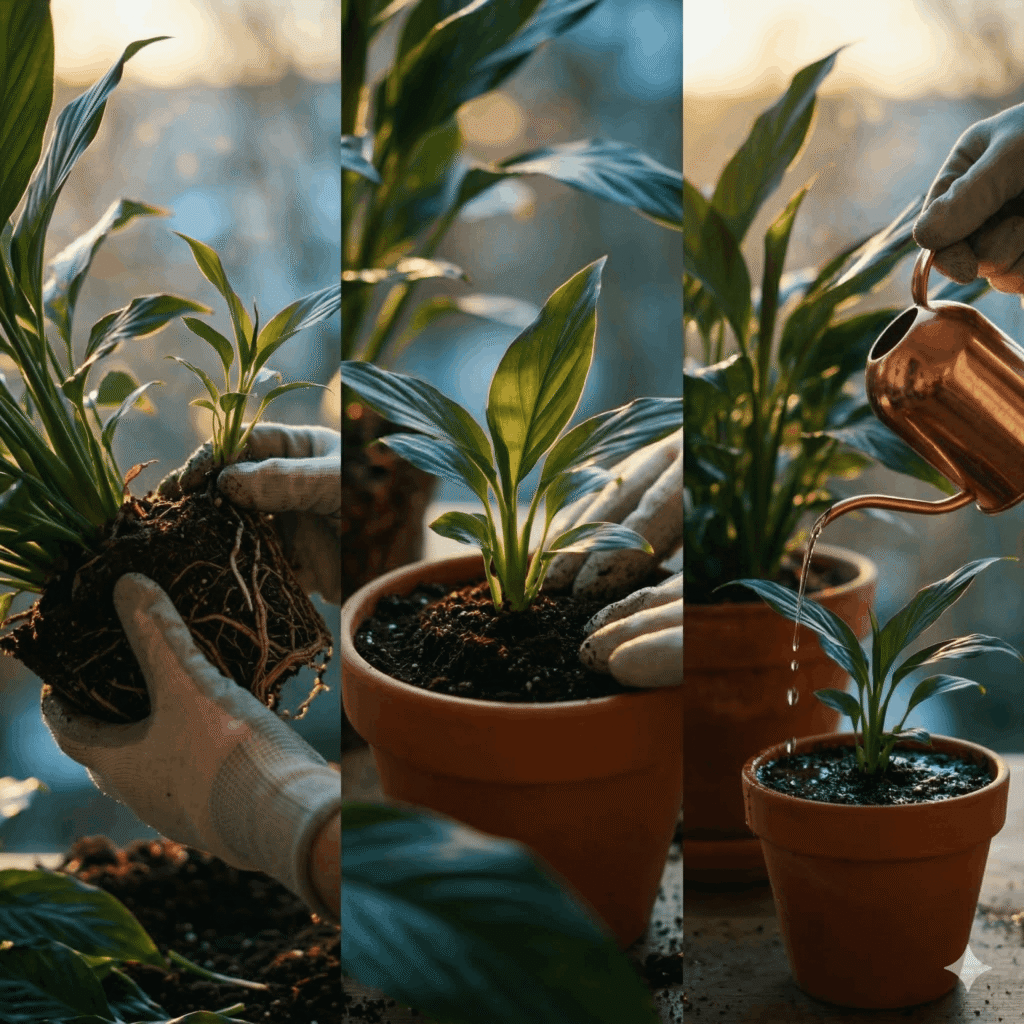
Method 1 — Division (best for variegated types):
- Remove the plant from the pot.
- Gently separate the root clumps/pups with clean hands or a sterile knife.
- Pot each section into fresh, well-draining soil.
Method 2 — Leaf cuttings in water:
- Cut a healthy leaf near the base.
- Place the lower end in water (change water weekly).
- Wait for roots and new pups, then pot in soil.
Method 3 — Leaf cuttings in soil:
- Cut leaf into 2–3 inch sections (note: variegation may be lost).
- Insert cut end into moist, well-draining mix.
- Keep warm and bright (indirect) until roots form.
Best time: spring to early summer. Division retains variegation; leaf cuttings can lose variegated patterns.
Section 13: Symbolic Significance of Snake Plant
Culturally, the snake plant symbols include protection, persistence, and purification. In Chinese folklore, an 8-leaf formation is often associated with prosperity and the “eight virtues.” In modern wellness culture, it symbolizes resilience, quiet strength, and self-sufficiency — all traits that resonate with mindfulness and minimalism. Gifting a snake plant signals good luck, protection, and wishes for steady growth.
Conclusion
The snake plant benefits checklist is compelling: air purification, nighttime oxygen release (great for snake plant benefits in bedroom), low maintenance, and cultural advantages like snake plant benefits Vastu, snake plant benefits feng shui, and snake plant spiritual benefits. It’s a hardy, attractive, and practical plant that fits almost any space and lifestyle. Bring one home, place it with intention, and enjoy the blend of physical and symbolic perks. Bring a snake plant home today and let nature do the rest.
FAQ
A: No — snake plants contain saponins and can cause gastrointestinal upset if pets chew leaves.
A: Generally every 2–6 weeks. Don’t water until the top two inches of soil are bone-dry.
A: Yes — they tolerate low light but grow faster and look healthier in bright, indirect light.
A: Common recommendations: southeast (wealth), east (health), north (career), or near the main entrance for protection — avoid placing directly over the bed’s headboard if strictly following traditions.
A: Variegation can fade if the plant receives too little light; ensure bright, indirect light to retain patterns.
Recommended products
-
Surekha Golden Hahnii Snake Plant
Price range: ₹249.00 through ₹399.00 -
Surekha Sansevieria Green Snake Plant
Price range: ₹299.00 through ₹399.00 -
Surekha Sansevieria Laurentii Snake Plant
Price range: ₹249.00 through ₹399.00 -
Surekha Sansevieria Superba Snake Plant
Price range: ₹269.00 through ₹399.00 -
Surekha Sansevieria Whitney Snake Plant
Price range: ₹399.00 through ₹499.00 -
Surekha Silver Hahnii Snake Plant
Price range: ₹299.00 through ₹499.00 -
Surekha snake plant sansevieria zeylanica
Price range: ₹299.00 through ₹399.00